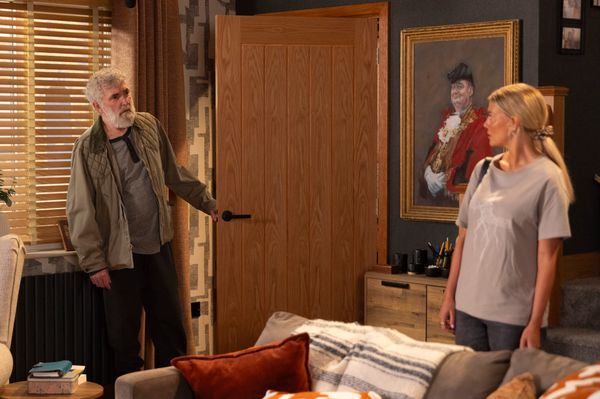
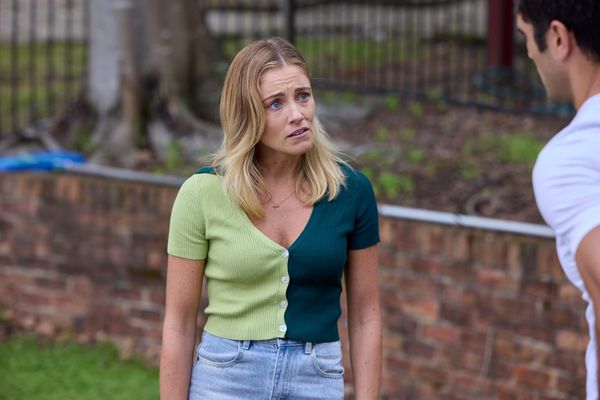
EastEnders Explores The Reality Of Fostering Through Suki And Eve's Story

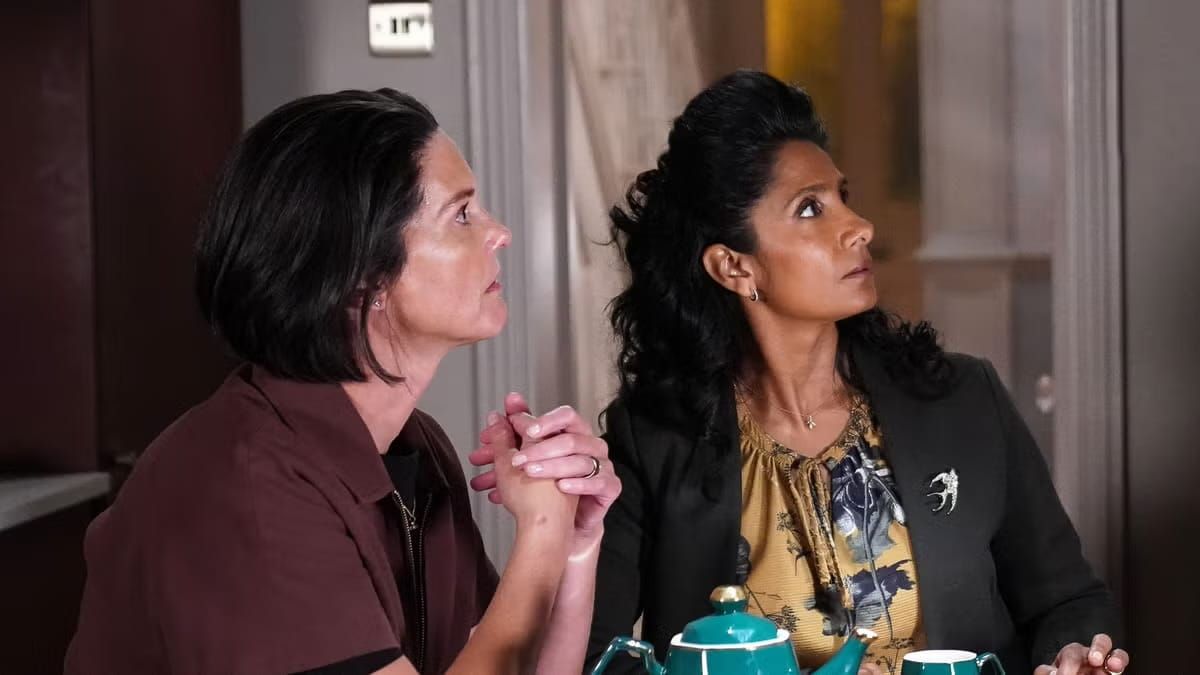
Suki Panesar and Eve Unwin have overcome family opposition, heartbreak, secrets and danger to build a life together, but their latest storyline could be one of the most important chapters of their relationship so far.
New scenes will see the couple welcome foster child Ria into their home as they continue exploring the possibility of becoming parents. While their hopes are high, things do not get off to the easiest start as they struggle to connect with the youngster.
The storyline marks a major turning point for Suki and Eve, but it also shines a spotlight on an issue that affects thousands of families across the UK every year.
A storyline rooted in reality
One of the most interesting aspects of the story is that EastEnders is not presenting fostering as a simple process.
Rather than instantly forming a close bond with Ria, Suki and Eve find themselves questioning whether they are getting things right. It is an understandable reaction and one that many real foster carers may recognise.
Building trust takes time. Children entering foster care have often experienced major changes in their lives. New surroundings, new routines and unfamiliar adults can be overwhelming, even when everyone involved has the best intentions.
By showing that the relationship does not immediately click into place, EastEnders appears to be taking a realistic approach to the subject.
The challenges faced by Suki and Eve are likely to feel far more authentic than a storyline where everything falls into place from the moment Ria arrives.
Why fostering remains so important
The storyline also arrives at a time when fostering remains a vital part of the UK's care system.
According to Department for Education figures, more than 80,000 children were looked after by local authorities in England during 2025, with the majority living in foster placements. At the same time, fostering organisations have repeatedly highlighted the need for more foster carers across the country.
Recruitment remains a significant challenge, particularly for teenagers, sibling groups and children with additional needs.
While EastEnders is telling a fictional story, the themes being explored are connected to real experiences faced by thousands of families.
That gives the storyline a relevance that extends beyond Walford itself.
A major new chapter for Suki and Eve
For Suki and Eve, fostering represents something they have spent years fighting to achieve.
When their relationship first began, their biggest challenge was simply finding a way to be together.
Suki was trapped in a controlling marriage and struggled to openly embrace the life she wanted. Eve became the person who encouraged her to imagine a future where happiness was possible.
Since then, the couple have survived family divisions, emotional turmoil and dangerous confrontations.
Now, for perhaps the first time, their focus is entirely on building something positive.
Instead of fighting against people who want to keep them apart, they are looking ahead and considering what kind of family they want to create together.
That shift makes the fostering storyline feel particularly significant.
Suki's transformation continues
The story also highlights how much Suki has changed over the years.
When she first arrived in Walford, she was often guarded and reluctant to show vulnerability. Much of her energy was spent protecting herself and maintaining control of difficult situations.
Her relationship with Eve slowly began to break down those barriers.
The prospect of becoming a foster parent offers another opportunity to see a different side of Suki. It allows viewers to watch her navigate unfamiliar emotional territory while trying to provide stability and support for someone else.
It is another step in one of EastEnders' most compelling character journeys.
Eve's strengths could prove crucial
Eve has always been one of the most compassionate characters on the Square and those qualities may become increasingly important as the storyline develops.
While she often projects confidence, fostering brings a very different kind of pressure.
The desire to make a positive impression, combined with the fear of getting things wrong, could leave Eve questioning herself just as much as Suki.
Those doubts are likely to make the couple's experiences feel relatable to viewers, particularly those who have gone through fostering, adoption or other forms of family care themselves.
Representation beyond romance
Suki and Eve have become one of the most important LGBTQ+ couples currently on British television.
What makes this storyline particularly effective is that it moves beyond romance and explores another stage of their lives together.
The couple are not being defined solely by their relationship. Instead, they are being given meaningful stories about family, responsibility and the future.
That creates richer storytelling while also reflecting the experiences of many LGBTQ+ families across the UK.
It is an example of representation that feels natural rather than forced.
A hopeful future despite the challenges
Although the early signs suggest Suki and Eve face difficulties connecting with Ria, there is still a strong sense of optimism surrounding the storyline.
The couple have already demonstrated resilience, patience and determination throughout their relationship. Those qualities are likely to be tested once again as they navigate fostering.
Whether Ria ultimately becomes a long term part of their lives remains to be seen.
What is already clear, however, is that EastEnders has given Suki and Eve a storyline with genuine emotional depth and real world relevance.
After years spent battling for their happiness, they are finally fighting for something different.
A chance to build a family.
And for many viewers, that could become one of the most rewarding chapters in their story so far.