Could Peaky Blinders Help Bring Millions in Tourism Spending to the West Midlands?
Research suggests Peaky Blinders and other screen productions could contribute to nearly £67 million in West Midlands visitor spending.


The world of Tommy Shelby has become one of Britain's most recognisable television settings, with Peaky Blinders introducing international audiences to Birmingham's industrial past. Now research suggests that film and television tourism could be worth almost £67 million in visitor spending across the wider West Midlands.
A study by creative industries consultancy OlsbergSPI, working with the Black Country Living Museum in Dudley, explored how screen productions influence travel decisions. Its findings highlight the potential benefits for attractions, hotels, restaurants and communities associated with popular television programmes.
How much does Peaky Blinders influence visitors?

Researchers surveyed more than 5,000 visitors to the Black Country Living Museum, which has featured prominently in Peaky Blinders. Approximately 4% identified the drama as their main reason for visiting, while those visitors reportedly spent between 20% and 30% more than other visitors on average.
The study also considered screen tourism across the West Midlands. Around 6% of respondents said they would not have visited the region without its connections to film and television.
Using VisitBritain's 2024 inbound tourism figures, researchers estimated that screen-related travel could account for approximately 126,600 visits and £66.97 million in visitor expenditure.
That figure is an estimate rather than confirmed revenue, and it covers screen tourism more broadly, not just Peaky Blinders. Nevertheless, it suggests that the popularity of television productions can provide a meaningful boost to regional tourism.
Where can visitors experience Peaky Blinders?

The Black Country Living Museum offers one of the strongest connections to the series. Its historic streets, workshops and industrial buildings have appeared on screen, including locations associated with Charlie Strong's yard.
Situated in Dudley, the museum recreates everyday life in the industrial Black Country, with historic shops, homes, workplaces and demonstrations. Visitors can discover the history behind the buildings while recognising settings used in the drama.
The museum has also hosted themed Peaky Blinders evenings, although visitors should check the current events calendar rather than assume these are available throughout the year.
Birmingham itself remains central to the Shelby family's fictional world, but travellers should be aware that many scenes from the original series were filmed elsewhere, including Liverpool, Manchester and Yorkshire.
The city's connection with screen production has continued to develop through Digbeth Loc. Studios, established by Peaky Blinders creator Steven Knight.
Why is the West Midlands attracting screen tourists?
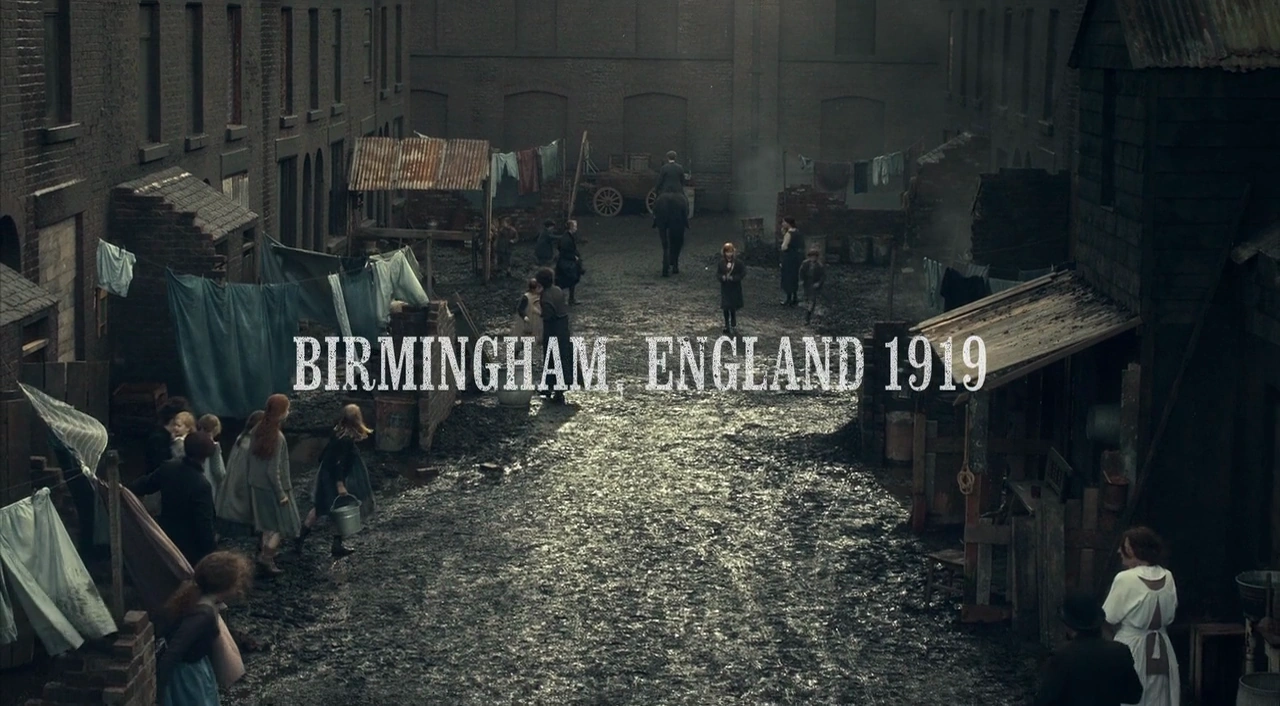
Television can introduce viewers to places they might never previously have considered visiting. Once there, visitors often explore attractions beyond the original filming location, spending money on accommodation, restaurants and transport.
For the West Midlands, Peaky Blinders also provides an introduction to the region's industrial heritage. The drama is fictional, but the factories, canals and working communities that shaped the area have a history that visitors can explore.
The research suggests that screen tourism can support local economies while encouraging interest in historic attractions. Its value is not limited to recognising a location from a favourite programme, but can extend to discovering the people and places behind it.
Planning your visit
The Black Country Living Museum is in Dudley, West Midlands. Visitors can find current admission prices, opening hours, special events and travel information on the museum's official website.
Anyone planning a Peaky Blinders-inspired visit should check which locations and themed experiences are available before travelling, particularly when arranging a trip around a specific event.
Research and sources: OlsbergSPI, Pilot Study Quantifying Screen Tourism Impacts at Black Country Living Museum. Read the research overview.