Berlin’s LGBTQ+ Christmas Market Is Back for Seven Weeks of Festive Nights
Berlin’s LGBTQ+ Christmas season returns in November 2026. Discover Christmas Avenue, Schöneberg, where to stay and how to get there.

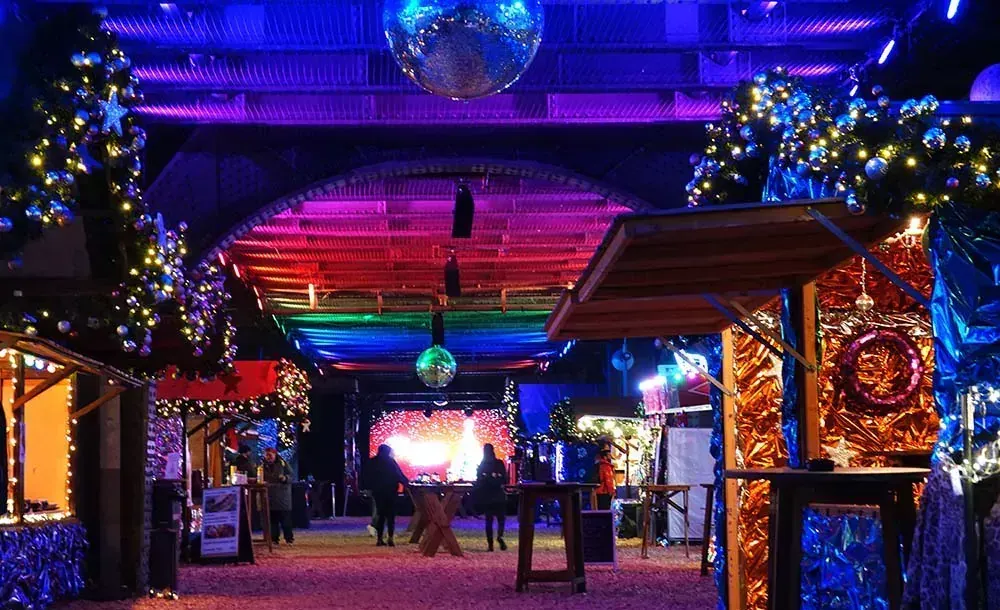
Berlin is starting Christmas particularly early this year, with almost seven weeks of LGBTQ+ festive celebrations planned in one of the city’s best known LGBTQ+ neighbourhoods.
LGBTQIA Winterdays opens at Nollendorfplatz on November 4, before Christmas Avenue takes over from November 23 and continues until December 23. Together, they offer everything from DJs and drag bingo to festive food, hot cocktails and Christmas shopping beneath the elevated railway in Schöneberg.
For travellers, however, the location makes this much more interesting than simply visiting another Christmas market. Nollendorfplatz sits at the heart of Berlin’s Rainbow District, making it possible to build an entire LGBTQ+ Christmas weekend around the market without spending half the trip travelling across the city.
Christmas starts early at Nollendorfplatz
LGBTQIA Winterdays runs from November 4 to 22, although the market is closed on November 15 and 22. Christmas Avenue then begins on November 23 and continues until December 23, taking the celebrations almost all the way to Christmas.
Visitors can expect Christmas lights, stalls selling decorative items, arts and crafts, jewellery and accessories, alongside festive food and drinks. The programme adds a distinctly Berlin flavour, with DJs from the city’s LGBTQ+ club scene, drag bingo, a party hut and regular entertainment planned throughout the season.
The market is also sheltered beneath the elevated railway, which could prove particularly welcome on a cold or wet Berlin evening. Admission is free, but there is one important detail for anyone planning a family trip because visitors must be aged 16 or over.

Stay in the heart of LGBTQ+ Berlin
Nollendorfplatz is not simply somewhere organisers have chosen to put an LGBTQ+ Christmas market. Schöneberg and the streets surrounding the square have been associated with LGBTQ+ life for generations and remain one of the most recognisable centres of the community in Berlin today.
Motzstraße, Fuggerstraße and the surrounding streets are home to LGBTQ+ bars, shops and venues, allowing visitors to continue their evening after leaving Christmas Avenue without needing to cross the city. The Schwules Museum is also around a ten minute journey from the market and explores LGBTQ+ history, art and culture.
For accommodation, look around Nollendorfplatz itself or towards Wittenbergplatz, Kurfürstendamm and Zoologischer Garten. These areas provide a large choice of hotels while keeping Schöneberg close and giving visitors straightforward public transport connections to Berlin’s major attractions.
Another useful starting point is Berlin’s Pink Pillow collection, which brings together hotels that have committed to welcoming LGBTQ+ guests. Travellers do not need to stay in an LGBTQ+ specific hotel to enjoy the area, however, with accommodation available across a wide range of budgets.
There’s much more Christmas beyond Schöneberg
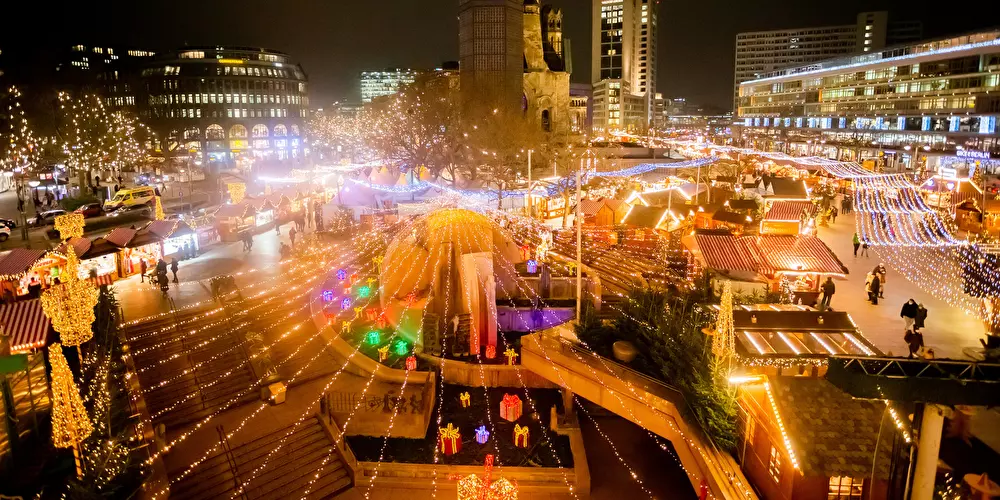
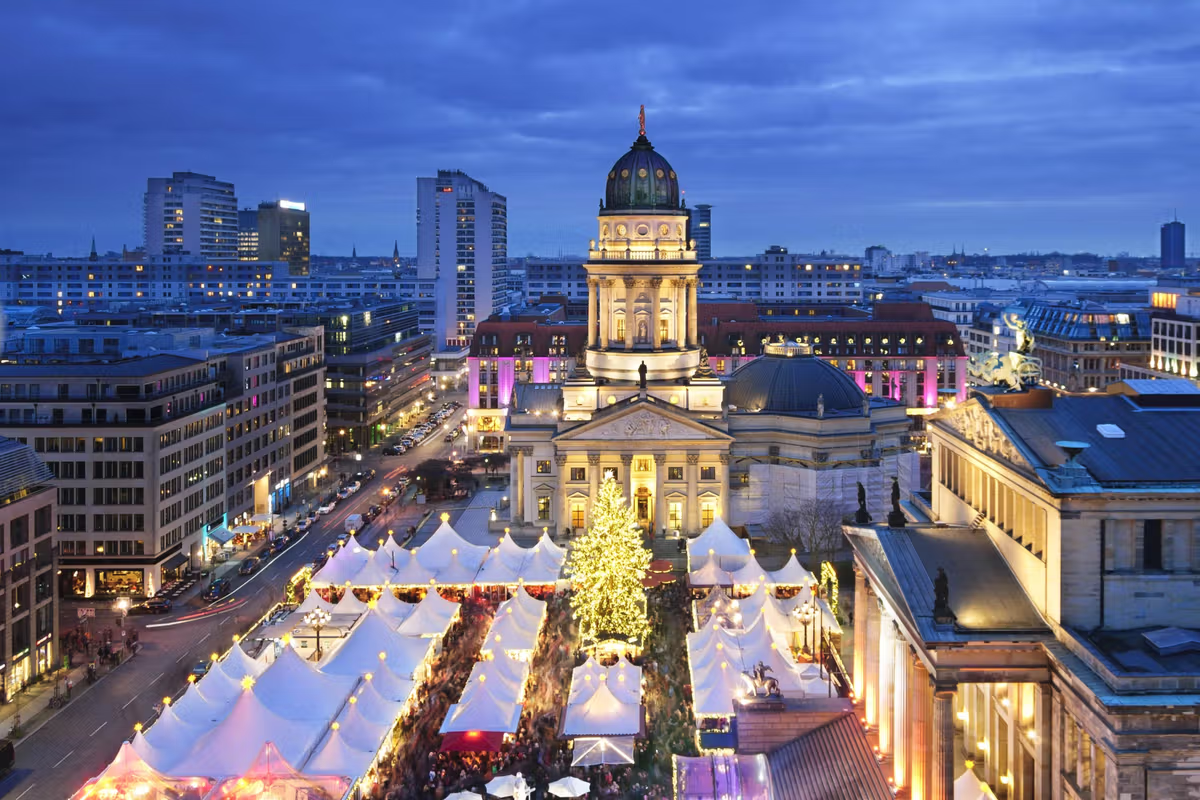
Berlin is packed with Christmas markets during November and December, so there is no reason to spend the entire weekend at Nollendorfplatz. Visitors can explore more traditional festive markets during the day before returning to Schöneberg for Christmas Avenue and the surrounding LGBTQ+ nightlife in the evening.
Kurfürstendamm and KaDeWe are nearby for Christmas shopping, while Berlin’s museums, restaurants, landmarks and nightlife provide plenty to do if the weather turns. A three or four night stay gives enough time to enjoy Schöneberg properly while still seeing a substantial amount of the German capital.
Anyone travelling before the traditional Christmas rush also has an interesting option. Winterdays begins on November 4, making Berlin one of the earlier LGBTQ+ festive destinations to get underway and providing a reason to visit before December hotel demand reaches its peak.
Getting to Berlin from the UK
Flying is the quickest option for most UK visitors, with Berlin Brandenburg Airport connected directly with several British airports. Flight schedules vary by departure airport and date, so it is worth comparing the available routes before choosing where to stay.
Berlin Brandenburg Airport has direct rail connections into the city, removing the need for an expensive private transfer. Once in central Berlin, Nollendorfplatz is particularly easy to reach because the station is served by the U1, U2, U3 and U4 underground lines.
That excellent transport connection also means staying in Schöneberg does not isolate visitors from the rest of Berlin. Alexanderplatz, Potsdamer Platz, the Brandenburg Gate and other major areas can all be incorporated into the same trip using the city’s public transport network.
Rail travel from the UK is another possibility for anyone who wants to make the journey part of a longer European Christmas holiday. It requires connections after leaving London and takes considerably longer than flying, but Berlin can work particularly well as one stop on a multi-city festive trip.
Berlin has no shortage of traditional Christmas experiences, but Christmas Avenue offers something that feels much more closely connected to the neighbourhood around it. Spending the day exploring the German capital before returning to Schöneberg for festive drinks, drag, DJs and LGBTQ+ nightlife could make this one of the more distinctive Christmas city breaks in Europe.