April Ashley: The Liverpool Pioneer Who Helped Change Transgender History
April Ashley became one of Britain’s most important transgender pioneers, breaking barriers in fashion, public life and LGBTQ+ history.


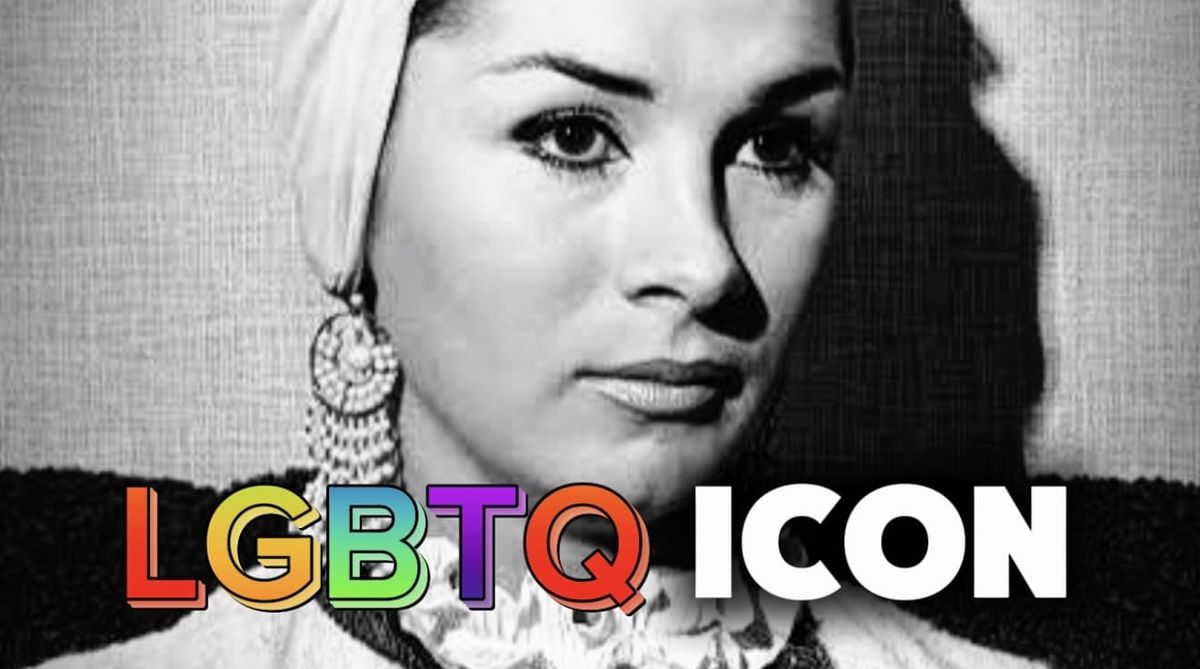
The history of LGBTQ+ rights is filled with people who challenged expectations, broke barriers and helped create a more open society for future generations. Among the most remarkable of those figures is April Ashley, a woman whose life spanned extraordinary social change and whose courage helped bring transgender experiences into public view at a time when understanding was limited and prejudice was widespread.
April Ashley’s story is one of determination, reinvention and resilience. Born in Liverpool in 1935, she grew up in a Britain that offered little understanding of gender identity. As a young person, she struggled to explain feelings that few people around her could understand. The language, support networks and public awareness available today simply did not exist.
Despite those challenges, Ashley went on to become one of the earliest British people known to have undergone gender affirming surgery.
She later found success as a model during the 1960s and moved in glamorous social circles that included celebrities, artists and aristocrats. Yet her life was never straightforward. Public exposure of her transgender status transformed her career and led to years of legal and personal battles.
Today, April Ashley is recognised as one of the most important transgender pioneers in British history. Her life helped educate the public, challenge assumptions and contribute to a wider conversation about identity, equality and human rights.
Her story remains an important part of both British history and LGBTQ+ history.
Growing Up in Liverpool
April Ashley was born George Jamieson on 29 April 1935 in Liverpool. She grew up in a large working class family during a period when Britain was recovering from economic hardship and later experiencing the upheaval of the Second World War.
Life was often difficult. The family lived in modest circumstances and opportunities were limited. April later spoke about experiencing a sense of difference from an early age. While she did not yet have the language to describe her feelings, she knew she struggled to fit into expectations placed upon boys and young men.
School was not particularly happy. She often felt isolated and misunderstood. Like many transgender people of her generation, she spent years trying to understand emotions and experiences that few people openly discussed.
The Britain of the 1940s and 1950s offered little support. Gender identity was rarely discussed publicly, and many people simply had no framework for understanding experiences that fell outside traditional expectations.
These early struggles would shape much of April’s later determination to live authentically.
The Merchant Navy and Seeing the World
As a teenager, April sought opportunities beyond Liverpool. She joined the Merchant Navy and travelled extensively. For many young people, life at sea offered adventure and a chance to see parts of the world they might never otherwise experience.
For April, it also provided distance from the expectations and pressures of home. The experience was not always positive. She later described periods of unhappiness and emotional difficulty during these years. However, travel exposed her to different cultures and broadened her understanding of the world.
Eventually, she left the Merchant Navy and began searching for a new direction in life. That search would lead her to continental Europe and a community unlike any she had previously encountered.
Paris and Le Carrousel
In the 1950s, Paris offered possibilities that seemed unimaginable in many other places. The city had a thriving artistic scene and a reputation for greater social freedom.
It was there that April discovered Le Carrousel, a famous nightclub and cabaret venue known for its transgender performers. For the first time, she met people who shared similar experiences.
The impact was profound. Le Carrousel became more than a workplace. It became a community. Among the performers were individuals who had built lives as women despite growing up in societies that often failed to understand them.
The venue attracted audiences from around the world and helped challenge assumptions about gender and identity. For April, the experience provided acceptance, friendship and hope. She later described this period as one of the most important chapters of her life.
A Life Changing Decision
During her time in Europe, April learned about pioneering medical procedures being undertaken by doctors working with transgender patients.
The possibility of aligning her physical body more closely with her gender identity offered hope after years of uncertainty. In 1960, she travelled to Morocco, where surgeon Dr Georges Burou had become known for performing gender affirming surgery.
At the time, such procedures were still relatively rare and not widely understood. The decision required courage. Medical knowledge remained limited compared with modern standards, and many people undergoing treatment faced significant social risks.
For April, however, the procedure represented an opportunity to live more authentically. After recovering, she returned to Europe and began building a new life.
Building a Career as a Model
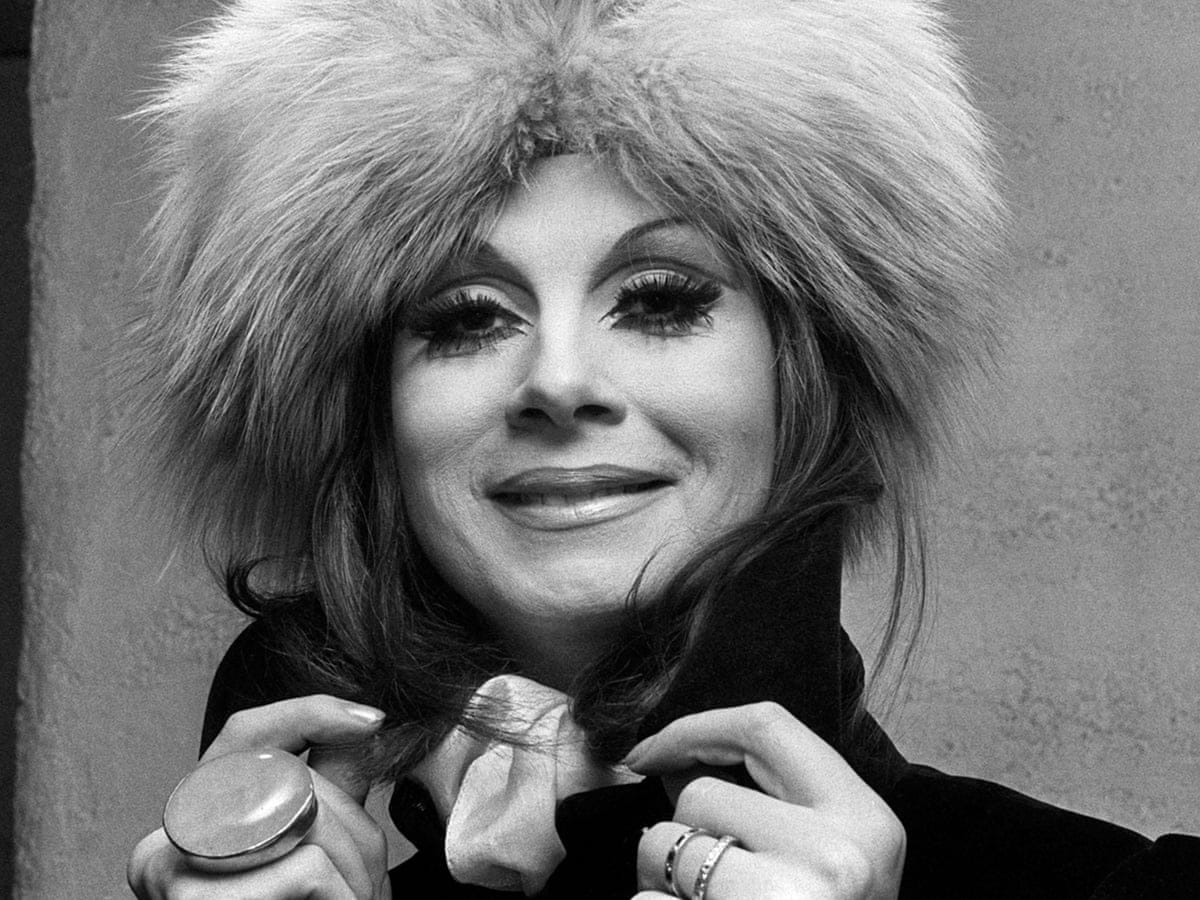
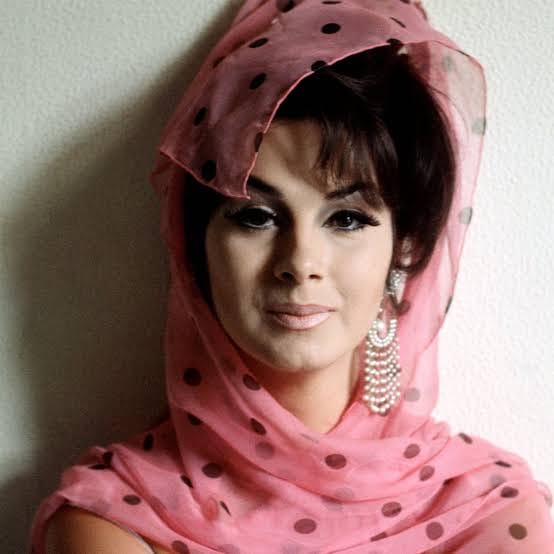
The early 1960s brought opportunities few could have imagined during April’s difficult childhood. Returning to Britain, she found success within the fashion industry. Her striking appearance attracted attention from photographers, designers and magazines.
She worked with leading fashion photographers and appeared in publications that helped establish her reputation as a successful model.
London during the 1960s was changing rapidly. The city became a centre of fashion, music and popular culture. Models, musicians, artists and actors often moved within the same social circles.
April became part of this world. She met influential figures and enjoyed opportunities that reflected both her beauty and charisma. For a time, it appeared that a successful modelling career lay ahead.
Success During the Swinging Sixties
The 1960s represented a period of transformation in British culture.
Fashion became increasingly influential, youth culture gained prominence and social attitudes slowly began to evolve. April Ashley’s success reflected this changing environment.
She worked alongside well known photographers and became associated with a glamorous world that fascinated the public. Her modelling career brought financial opportunities and public recognition.
Yet beneath the surface, challenges remained. Although she had built a successful life, she lived with the knowledge that public attitudes towards transgender people remained largely negative. The risk of exposure remained ever present.
Public Exposure and Personal Consequences
On 19 November 1961, The Sunday People published details about April’s transgender history, transforming her life overnight
The story attracted enormous public attention. At a time when transgender experiences were rarely discussed publicly, the coverage generated widespread fascination and sensationalism.
The consequences were severe. Career opportunities diminished almost overnight. Media attention became intrusive. Private aspects of her life became public discussion. The experience highlighted the lack of privacy and respect often afforded to transgender individuals during the period.
Many people would have retreated from public life entirely. April chose a different path. Although the experience caused significant pain, she continued rebuilding her life and pursuing new opportunities.
Love, Marriage and the Corbett Case
One of the most significant chapters in April Ashley’s life involved her marriage to aristocrat Arthur Corbett.
The relationship initially appeared promising. However, the marriage later broke down and became the subject of a legal dispute that would have lasting consequences. The resulting court case, Corbett v Corbett, became one of the most significant legal cases involving transgender rights in British history.
In 1970, the court ruled that April’s legal sex should be determined solely by biological factors assigned at birth. The judgment had far reaching implications.
Its influence remained significant until later legal reforms, including the Gender Recognition Act, began to reshape how transgender people were recognised in law.
Many campaigners later criticised the ruling as outdated and discriminatory. For April personally, the case was deeply painful. It placed intensely private aspects of her life under public scrutiny and created legal obstacles that affected many transgender people beyond her own circumstances.
Years of Advocacy and Visibility
Despite the difficulties she faced, April Ashley continued speaking about her experiences. Over time, public attitudes began to change.
The LGBTQ+ rights movement gained momentum, and conversations about transgender lives became more visible. April became an important voice within these discussions. She shared her story through interviews, public appearances and writing.
By discussing her experiences openly, she helped educate people who may never previously have encountered a transgender person’s perspective. Many younger transgender people found encouragement in knowing that others had navigated similar challenges before them.
April’s willingness to speak honestly helped contribute to a broader understanding of transgender lives.
Writing Her Story
Ashley also documented her experiences through memoirs and autobiographical writing. These works provided valuable insight into both her personal journey and the wider social history of transgender people in Britain.
Her writing explored themes of identity, self acceptance and survival. It also offered readers a first hand account of life during periods when understanding and acceptance were far more limited than today.
Historians and researchers frequently reference her experiences because they provide an important record of changing attitudes across several decades.
Through her writing, April ensured that future generations would better understand the challenges faced by transgender people during the twentieth century.
Recognition and Changing Attitudes
As Britain entered the twenty first century, attitudes towards transgender people gradually evolved. Legal reforms and increased public awareness led to greater recognition of transgender rights.
Although progress remained uneven, many of the assumptions that had shaped earlier decades began to be challenged. April Ashley’s contributions increasingly received recognition.
In 2012, she was appointed a Member of the Order of the British Empire (MBE) for services to transgender equality. The honour reflected a remarkable change.
Her later recognition also included honorary doctorates from the University of Liverpool and the University of London, further showing how public understanding of her life and contribution had changed over time.
A woman whose identity had once been treated as scandalous was now being recognised for helping improve society. For many observers, the award represented not only a personal achievement but also an acknowledgement of the broader transgender community’s contribution to British life.
Later Life
In later years, April remained a respected figure within LGBTQ+ communities.
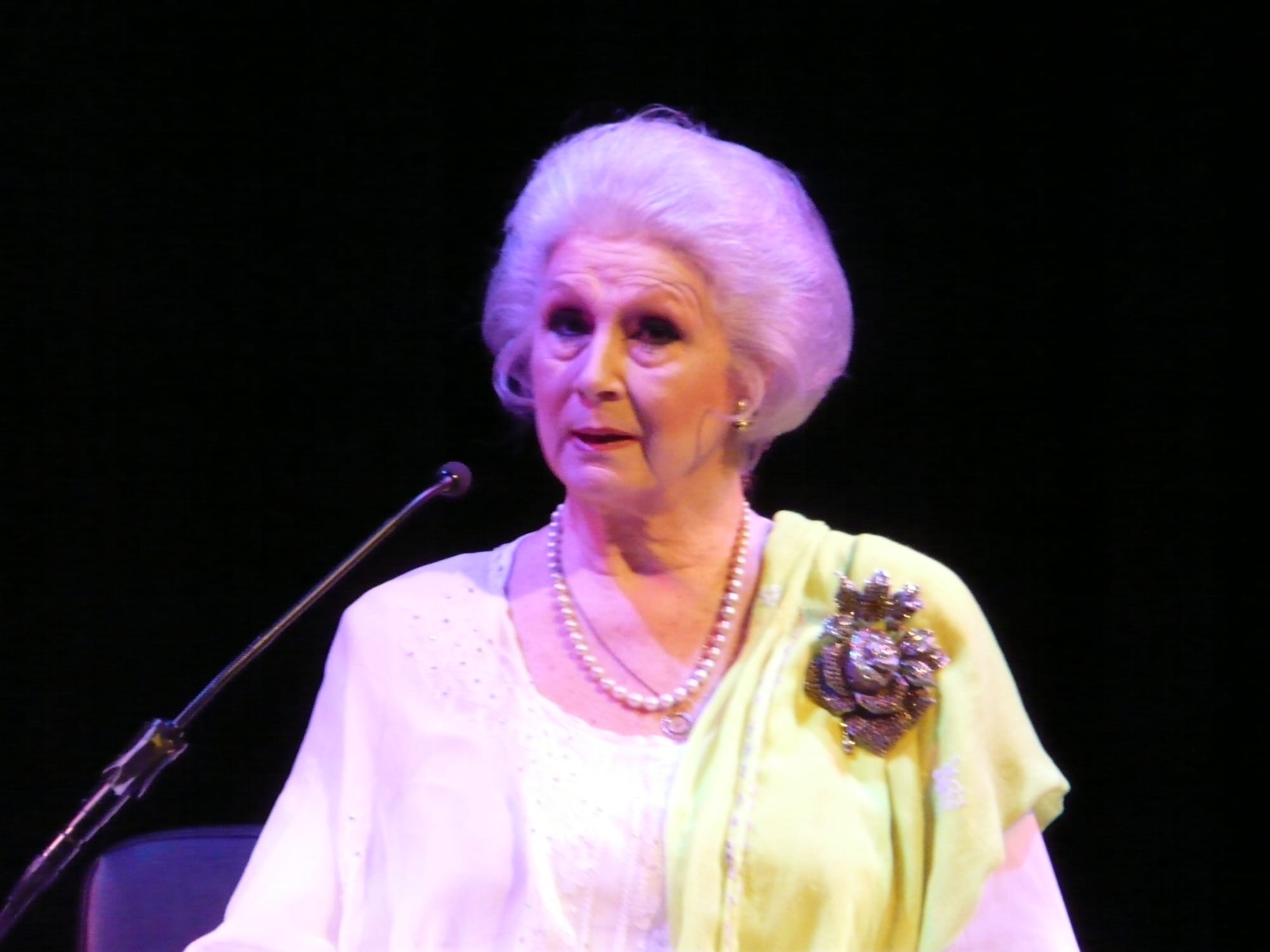
She participated in events, gave interviews and continued supporting discussions around equality and inclusion. Younger generations increasingly viewed her as a pioneer. Many recognised that opportunities available to transgender people today had been shaped by individuals who faced far greater obstacles in earlier decades.
From the post war Britain of her childhood to the more diverse and visible society of the twenty first century, she witnessed enormous social transformation.
Her story was also celebrated through the Museum of Liverpool’s major exhibition April Ashley: Portrait of a Lady, which helped introduce her life and legacy to new audiences and placed her experiences within the wider history of transgender Britain.
Death and Legacy
April Ashley died on 27 December 2021 at the age of 86. Tributes came from across the LGBTQ+ community, political leaders, activists and members of the public.
Many highlighted her courage, determination and contribution to transgender visibility. Others reflected on the barriers she faced and the resilience she demonstrated throughout her life. Although her experiences were often difficult, her story ultimately became one of progress.
She helped create greater awareness and understanding during a period when both were in short supply.
Her life remains an important reminder of how social attitudes can evolve and how individuals can contribute to that change.
Why April Ashley Still Matters Today
April Ashley’s significance extends beyond her personal story. She represents a generation of transgender people who navigated extraordinary challenges with little support and limited public understanding.
Her experiences illustrate both the difficulties faced by transgender individuals in the twentieth century and the progress achieved since then. She helped bring transgender lives into public discussion.
She challenged assumptions. She encouraged understanding. Most importantly, she demonstrated that authenticity and resilience can have a lasting impact.
For many people, April Ashley remains one of the most important transgender pioneers in British history.
Timeline
1935 – Born in Liverpool.
1950s – Joins the Merchant Navy.
1950s – Moves to Paris and performs at Le Carrousel.
1960 – Undergoes gender affirming surgery in Morocco.
1961 – The Sunday People publishes details about her transgender history.
1960s – Establishes a successful modelling career.
1963 – Marries Arthur Corbett.
1970 – Corbett v Corbett judgment issued.
2005 – Gender Recognition Act comes into force in the UK.
2012 – Awarded an MBE.
2013 – The Museum of Liverpool opens April Ashley: Portrait of a Lady.
2014 – Receives an honorary doctorate from the University of Liverpool.
2021 – Dies aged 86.
Quick Facts
Born: 29 April 1935
Birthplace: Liverpool, England
Died: 27 December 2021
Occupation: Model, author and activist
Known For: One of Britain’s most prominent transgender pioneers
Honour: MBE
Legacy: Significant figure in British transgender history and LGBTQ+ visibility
Legacy of an LGBTQ+ Icon
April Ashley’s life encompassed hardship, achievement, controversy and progress. From a difficult childhood in Liverpool to international modelling success and decades of advocacy, she lived through extraordinary social change.
Her story remains important because it provides a unique window into a period of enormous social change. Through her experiences, future generations can better understand both the challenges transgender people faced and the progress that followed.
Today, April Ashley is remembered not only as a model or public figure but as a pioneer whose influence continues to be felt across Britain and beyond.