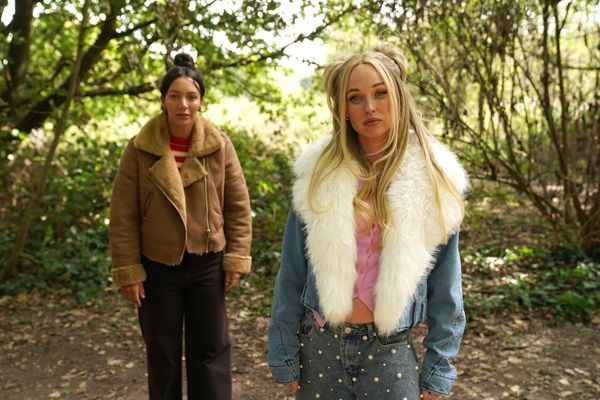
Apocalypse WESTSIDE team reveal food raids, tears and tattoos
Apocalypse’s Westside team discuss food raids, camp tensions, homemade lights and lasting friendships in revealing interviews with Channel 4.

Apocalypse’s Westside team have revealed how food raids, emotional lows and disagreements shaped their experience inside the abandoned town. Some formed friendships close enough to mark with matching tattoos, while others struggled to find where they belonged.
Apocalypse places strangers in an abandoned town for 28 days, where they must find food, water and shelter without the comforts of modern life. Dividing them into Eastside and Westside, initially unaware of each other, introduces a further test of survival as both groups must decide whether to cooperate or compete for limited supplies.
In interviews with Channel 4, the seven contestants describe the practical work and personal pressures of surviving together. Their accounts include homemade lighting, meals assembled from scavenged ingredients and the difficulty of living alongside people they could not simply walk away from.
Dean Sganga reveals when the group began to struggle
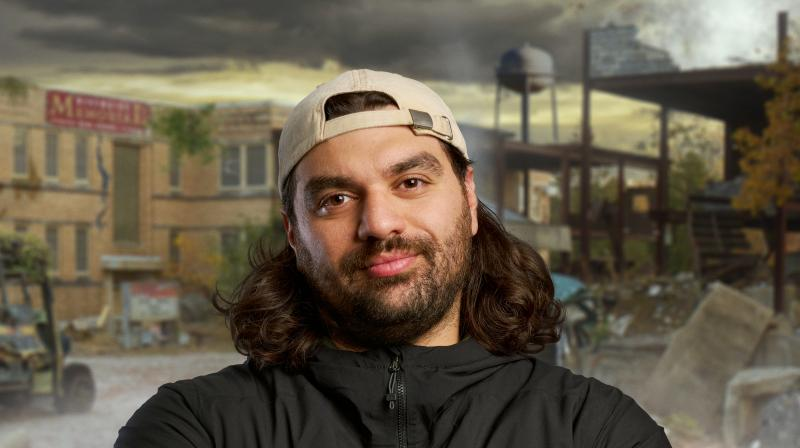
Chef Dean remembers sneaking into the other camp with Ioan and taking food while Steven and Kiera were singing and dancing. Within his own group, however, the challenge eventually became managing relationships as well as finding something to eat.
“The team dynamic was genuinely great for around the first twelve days, things were really humming along. Then it all fell apart a bit, there was a lot of bickering and arguing within the group. I think the most frustrating part was that in normal life, if you don't get along with someone, you just avoid them, but there you're stuck living with them, no way around it. Being stuck with people you'd rather not be around all the time was probably the hardest part.”
The food left Dean with plenty of stories too, including stolen Spam ramen and sticky ribs made with a sauce containing peaches and cola. He said he had since written a cookbook, Twenty-Eight Recipes for Twenty-Eight Days in the Apocalypse, combining recipes with accounts of their time there.
Ioan Humphreys admits his part in the early tensions
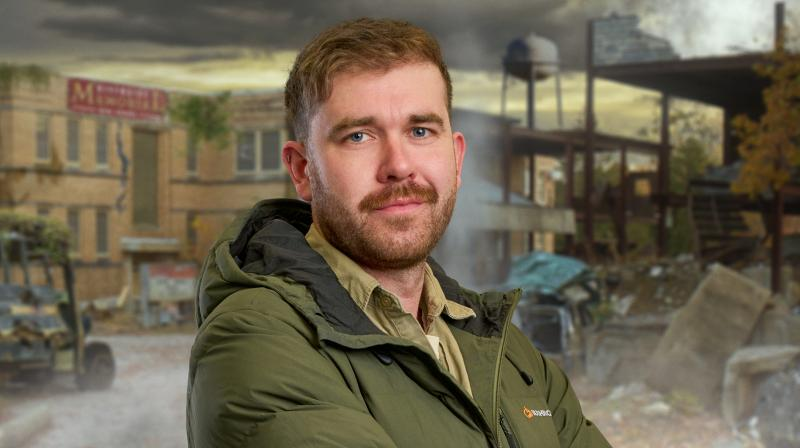
Farmer Ioan arrived without doing any survival preparation and was overwhelmed by the size and condition of the town. Discovering another group was such a surprise that he initially thought they were actors, but he readily acknowledged his own role in what followed.
“Yes. Well, I think I was the one who instigated the entire tension from day one. So, it was inevitable, wasn't it, limited food and resources, with a lot of people, there’s always going to be competition.”
Ioan also learned to fish during the experience and used skills from farming to help with survival. Looking back, he recognised that expecting everyone to work at his pace was unrealistic and that he needed to communicate more clearly.
Kelly Cartwright faced tears before forming lasting bonds
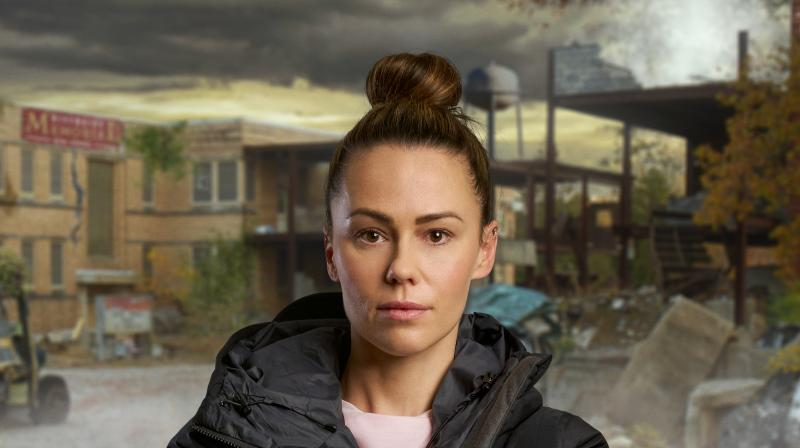
Paralympian Kelly wanted to test herself and show her three children what she could achieve. Missing them, becoming unwell after the first week and struggling with confrontation left her repeatedly considering whether to leave. Asked what she had learned about herself, she described how the experience had changed her understanding of what she could endure.
“That I'm capable of doing genuinely hard things. Whenever I've said something was difficult before, this puts it all into perspective, it's by far the hardest thing I've ever done.”
Kelly kept setting smaller targets, first aiming to reach day ten and then day twenty. By the end, she described her teammates as family, and some of them went on to get matching tattoos.
Brooke McCreaner struggled to find her place
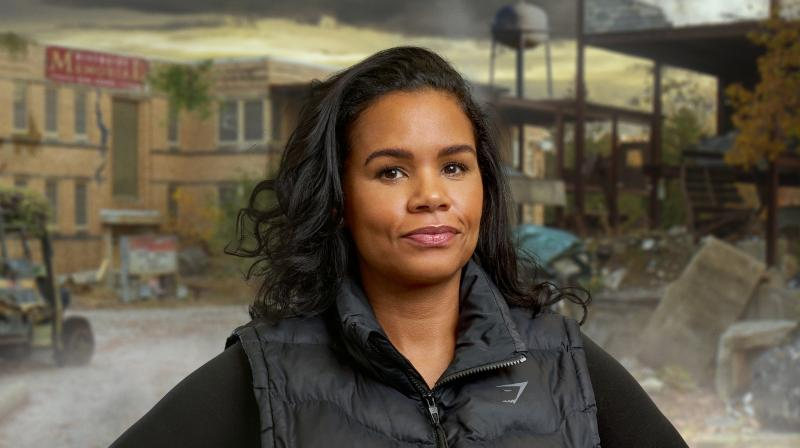
Black cab driver Brooke entered Apocalypse hoping to experience being part of a team after years of working independently. Although she wanted to contribute through cooking and connecting with people, she described a painful sense of isolation.
“The loneliness, and not feeling connected, and feeling like I wasn't a part of it. I didn't know my place.”
Finding the chickens became a highlight, and Brooke grew attached to the animals living alongside them. The experience reinforced how much she valued community and being around people she could connect with.
Matthew Wilson built lights the camp used every night
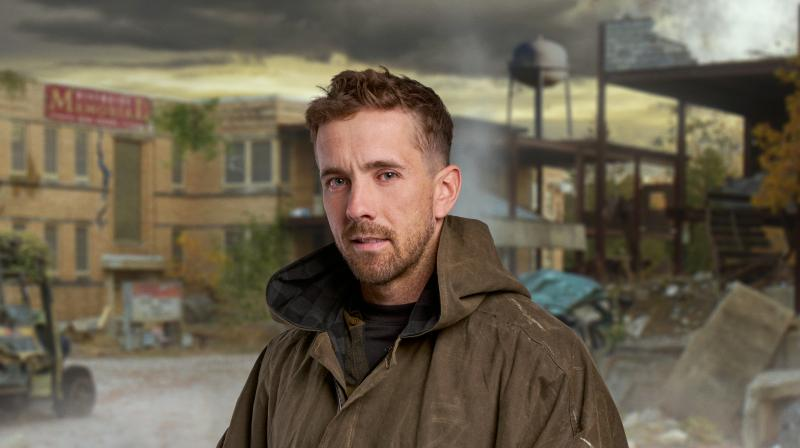
Diesel mechanic Matty arrived confident that his technical background could help the group solve problems. His contribution became part of their daily routine, giving them portable light after darkness fell.
“I was confident with anything technical, mechanical or engineering-related. I knew I could contribute by creating solutions to problems. That gave me purpose throughout the whole experience. I was able to create torches and lighting sources that we used every single night. I built them so they could work with batteries and switches, which meant we could carry lights around with us.”
Even making coffee required time and effort, with Matty describing a roughly 30-minute process of crushing beans and boiling water. Since returning home, he said he drinks it from a mug and takes time to enjoy it, keeping one small part of the experience in his everyday life.
Celia Hibbert found losing control harder than expected
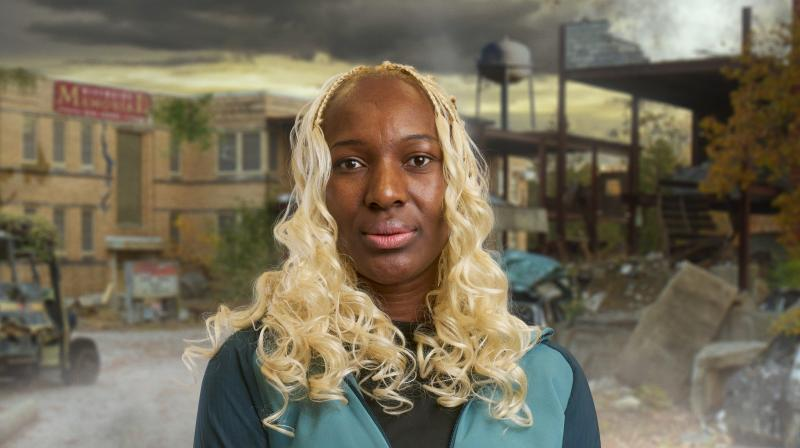
Celia had grown up in rural Nigeria without reliable electricity or water, giving her experience of living without comforts others depended on. But the councillor discovered that sharing her life and decisions with a group brought its own difficulties.
“I think the real core challenge was freedom. I didn't have the freedom to be alone, lock my door, cook when I wanted, or make my own decisions. I didn't like not being in control, not being able to just get in a car and go buy my own food. I'm not really a "group person". I'm clear on what I want to do and can collaborate, but I'm not naturally a team/group type, and that was one of my key struggles.”
Celia nevertheless said the camp had to become a community quickly because finding food, water and shelter required people to work together. She was particularly impressed by Kelly’s determination and Freddie’s calm approach.
Freddie Browne found an unexpected best friend
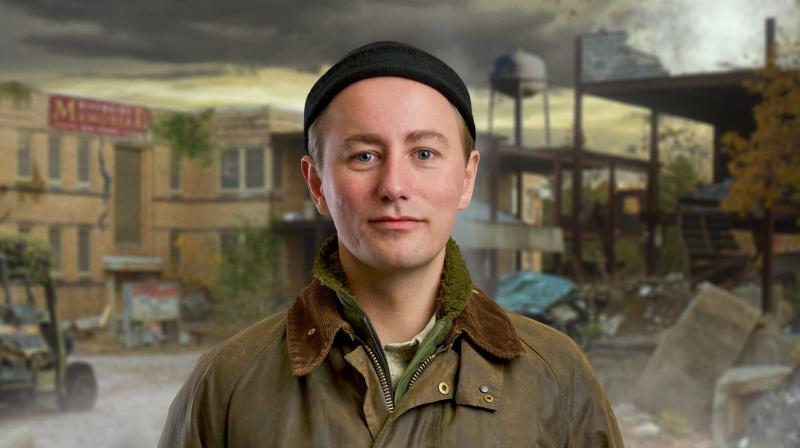
Former Made in Chelsea star Freddie brought hunting experience and the people skills developed through his work as an event emcee. Although he worried about staying warm and coping without enough food, he said he never seriously considered giving up.
“We were strangers who very quickly became friends, then family, brothers, sisters, some closer than others. I'd expected a bigger split along national lines (Australians vs Brits), but it wasn't like that at all. My best friend on the show was Dean and not just because he shared food, but because we had some great adventures together.”
Freddie said humour continued to carry the camp through its difficult moments, and that later meals sometimes took on the feeling of dinner parties. While others talked about cutting back after returning home, his response was to appreciate and enjoy the comforts they had missed.
“It's increased my appetite and appreciation for life. Towards the end, a lot of the group talked about becoming much more conservative afterwards, eating everything down to the bone, cutting back on drinking, and so on. I felt the opposite. I wanted to make sure I remembered and enjoyed the good times as much as possible, in case anything like it ever happened again.”
Watch Apocalypse on Channel 4 on Sundays at 9pm, or catch up through Channel 4’s streaming service. Follow SoapLandTV for more from the contestants and the latest television news.