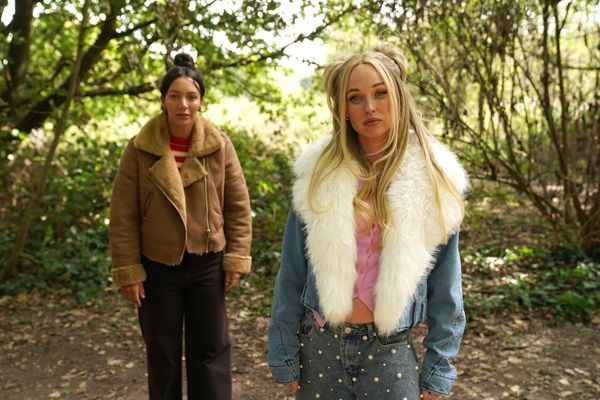
Apocalypse EASTSIDE team reveal the moments they nearly quit
Apocalypse’s Eastside team reveal freezing nights, food shortages and the moments they wanted to leave in candid interviews with Channel 4.

Channel 4’s Apocalypse challenges strangers to survive for 28 days in an abandoned town, scavenging for supplies without electricity or running water. They begin in two camps, Eastside and Westside, unaware of each other, with the discovery of their neighbours testing whether they will share resources or compete for them
Apocalypse’s Eastside team have revealed how cold nights, scarce food and the strain of living with strangers left several of them questioning whether they could carry on. Kiera wanted to leave as early as day two, Steven considered going home during a desperate search for food, and Louise struggled with being away from her family.
In interviews with Channel 4, all seven contestants explain what life inside the abandoned town was really like for them. Alongside the arguments and difficult decisions, their accounts reveal the friendships, practical skills and unexpected acts of support that helped them through the experience.
Kiera Madison wanted to leave on day two
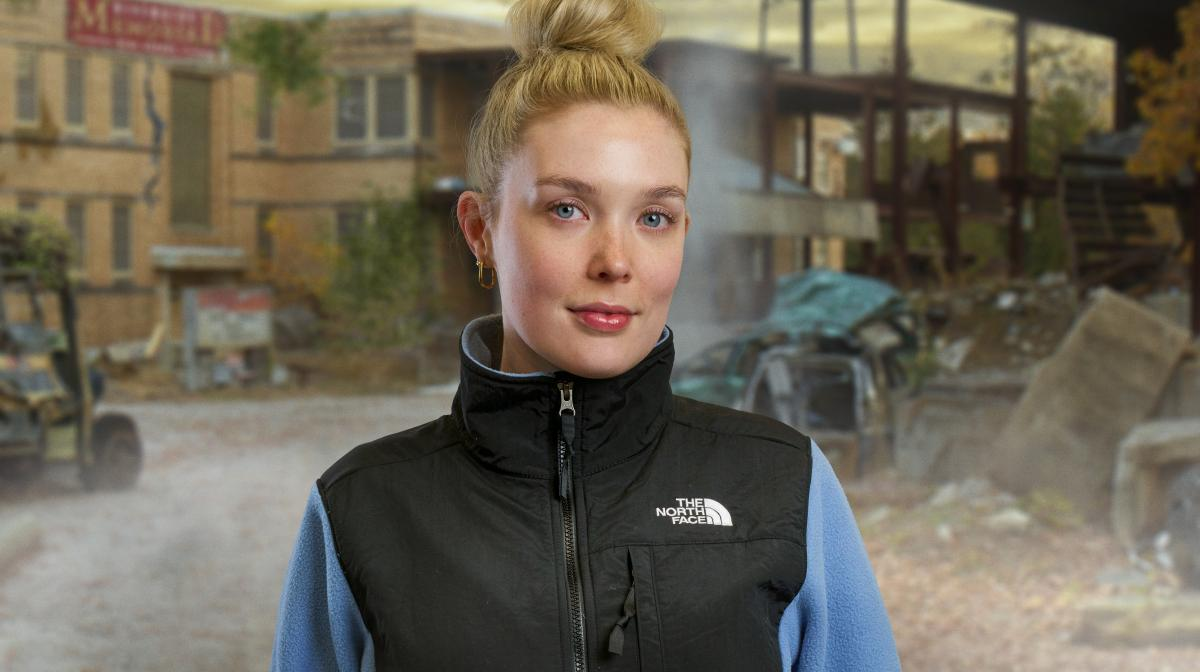
Psychologist Kiera went into Apocalypse expecting to help other people cope with the emotional pressure. Instead, the 29-year-old found herself relying on her teammates as the cold and hunger became increasingly difficult to bear.
“Day two, honestly. I remember thinking, how am I supposed to do this for another twenty-six days? Then day five hit, when I genuinely thought my body was shutting down. My family still ask me how on earth I managed it, and honestly, I couldn't tell you.”
Kiera described spending her first night on a cold floor with car mats over her, having done no survival preparation before arriving. She eventually learned to keep a fire going, a skill she still uses at home, but said no amount of money could persuade her to repeat the experience.
Steven McKell heard his mum’s voice when he wanted to give up
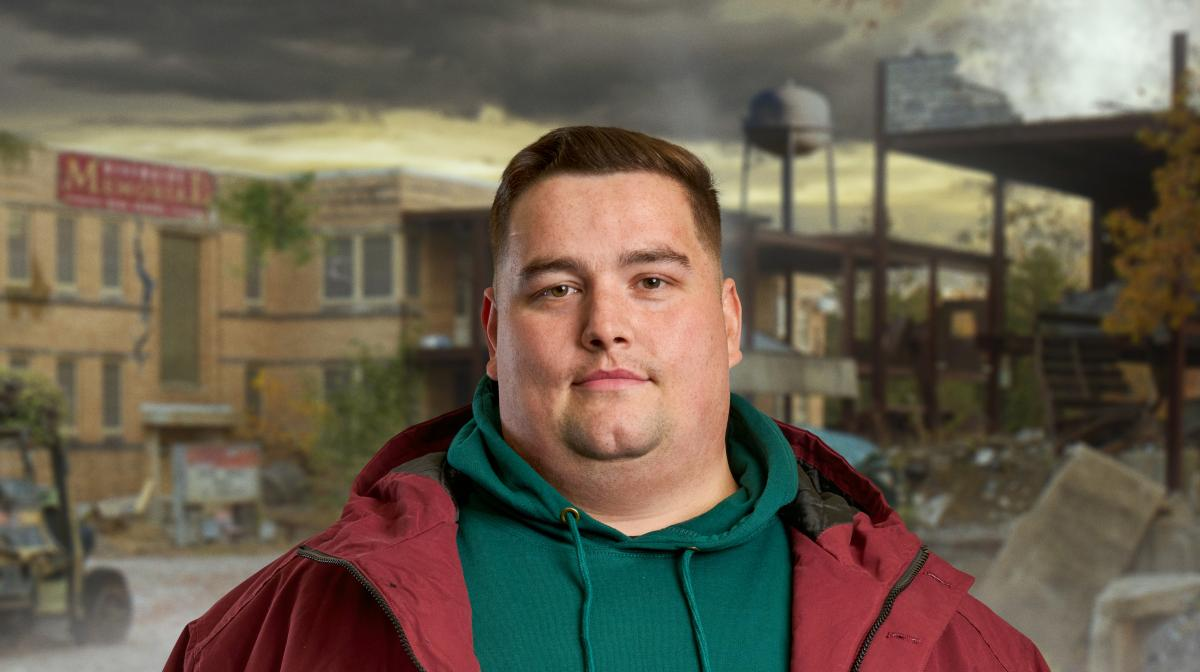
Steven’s ability to make people laugh became a valuable part of camp life, but the content creator had his own moments of doubt. One arrived while he was walking uphill in freezing rain, searching for food after days without a proper meal.
“I thought, “I’ve done two weeks. I can be proud of myself. Maybe I could go home.” But then I heard my mum’s voice in my head. “You can do this, Steven. You’ve got this.” It reminded me that this was exactly what I had been mentally preparing for.”
Before filming, Steven had used difficult days as opportunities to practise lifting his mood without relying on distractions. Inside Apocalypse, that preparation gave him something to draw on when leaving began to feel like an option.
Louise Baker struggled with being away from her family
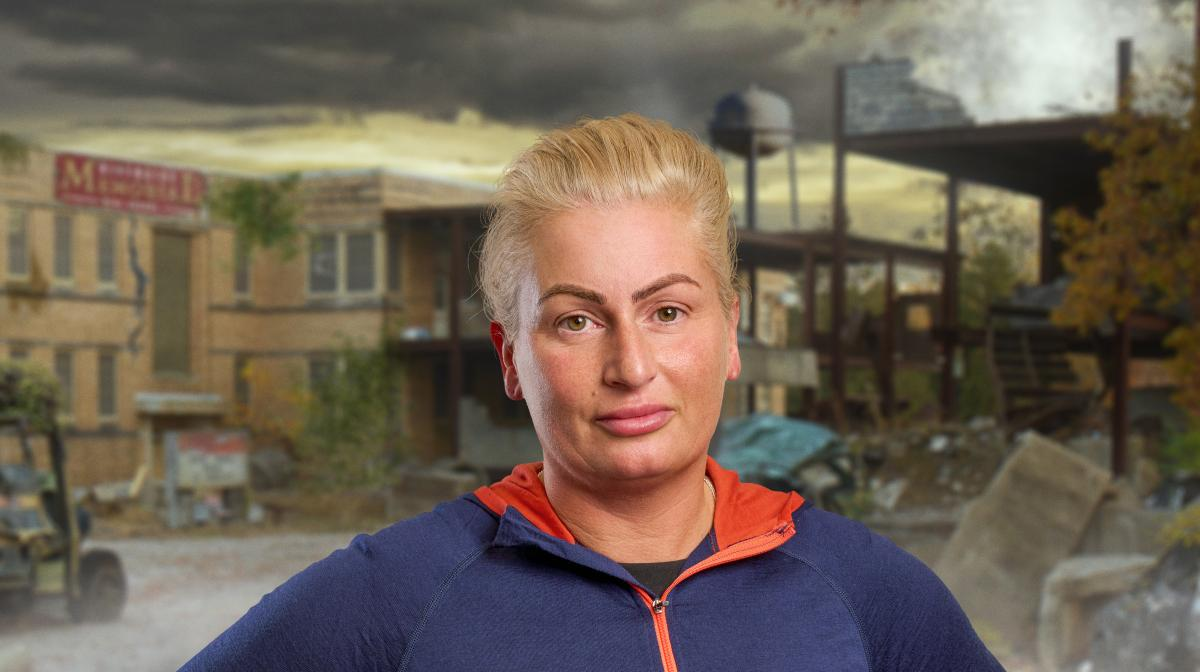
Mechanic Louise brought practical skills and a determination to look after others, earning the nickname Mama Lou. Yet missing her daughter and worrying about her seriously ill father made one disagreement particularly difficult to move past.
“Yes, one in particular, around two and a half weeks in, after a disagreement with Bertie. I was missing my daughter, worried about my dad, and hungry, and I just thought: what am I doing this for? I could be at home in comfort, spending time with my dad, doing normal things and instead I was putting myself through this, surrounded by people who were winding me up.”
Despite that low point, Louise said she would not change her experience. The group also exchanged practical knowledge, with Kyra teaching her to skin and cook a squirrel while Louise showed others how to change a tyre.
Laura Powell described the physical toll of hunger
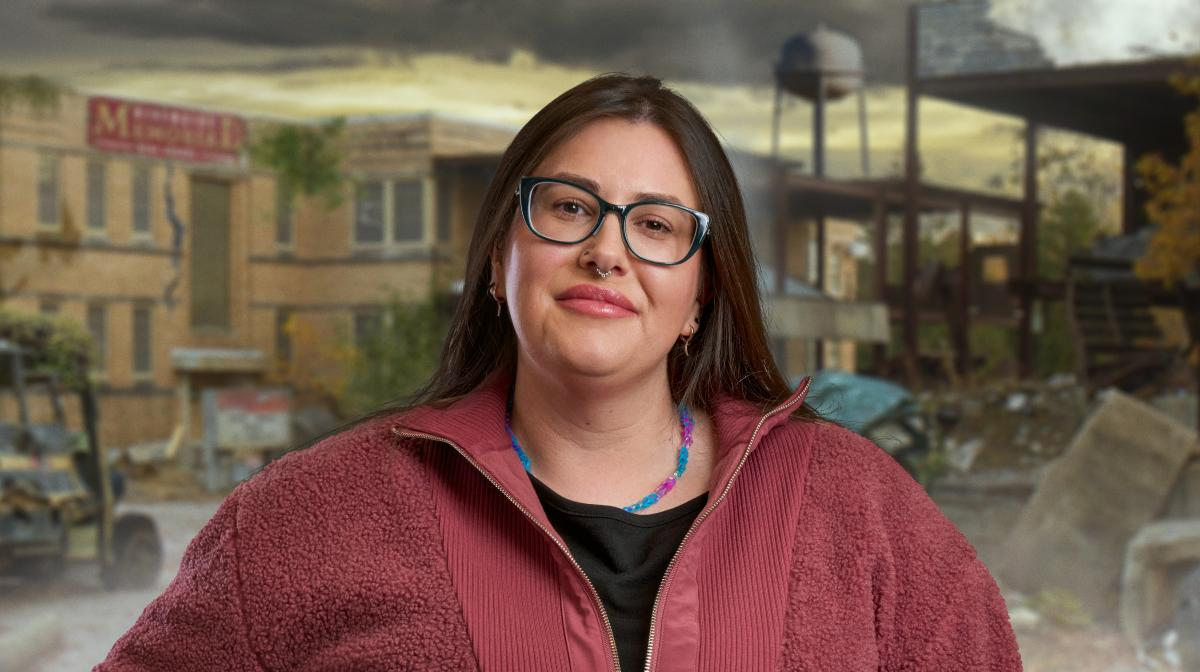
Nearly two decades in the ambulance service had prepared Laura to stay calm when situations changed suddenly. But the paramedic said that around two weeks into Apocalypse, insufficient food left her feeling weak and made even putting a sentence together difficult.
“I've learned that I can get through things. I might not be the best at chopping wood, or the fastest walker, but I gave everything I had at the time, with no food, and drinking lake water, which is disgusting no matter how much you boil it. I've learned that I can keep getting through hard things.”
Talking to her teammates helped Laura realise she was not alone in struggling. She also valued their evenings around the stove, when people from very different backgrounds shared stories and began trusting one another.
Kyra Muzvaba was shocked by the arguments
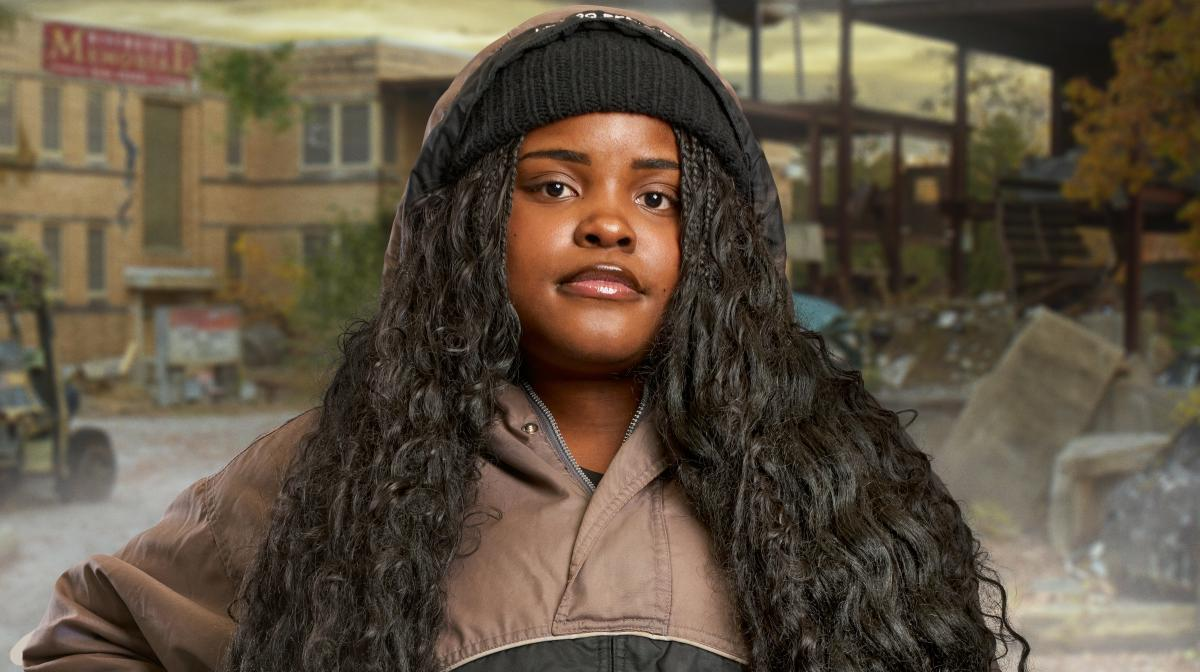
At 20, student nurse Kyra was the youngest member of the group, but she arrived with camping experience and a love of dystopian stories. What surprised her was how quickly the pressures of the experiment could make age and experience seem irrelevant during a disagreement.
“It did shock me, some of it genuinely surprised me. At first I thought, you're all so much older, you don't know what you're talking about, but when it came to actually arguing with them it felt like we were all the same age, like we were all toddlers. It's crazy how something like starvation and aggravation can turn people, we were having tantrums, myself included.”
Kyra also described feeling intensely angry when the other camp took their supplies. Yet she left grateful for what her teammates had taught her, from practical survival skills to Steven’s ability to remain optimistic.
Bertie Watkins found a family without a formal leader

Theatre director Bertie was used to creating immersive experiences, but living inside one brought a different kind of pressure. The theft of the group’s food shook him, and he wanted the relationship between the camps to move towards cooperation.
“Mostly how human everyone was, including myself, in ways that weren't always flattering. What I found genuinely lovely was that the group never really developed a leadership structure and instead it became something more like a family, with "mum" and "dad" figures rather than any kind of formal hierarchy. Even while starving, everyone still managed to make each other laugh and look out for one another, which was one of the nicest parts of the whole thing.”
Bertie said the uncertainty over their next meal stayed with him after returning home. Even finding a single snack could raise a difficult question about whether to share it or keep it.
Scott McMinn’s promise to Steven reveals another side of camp
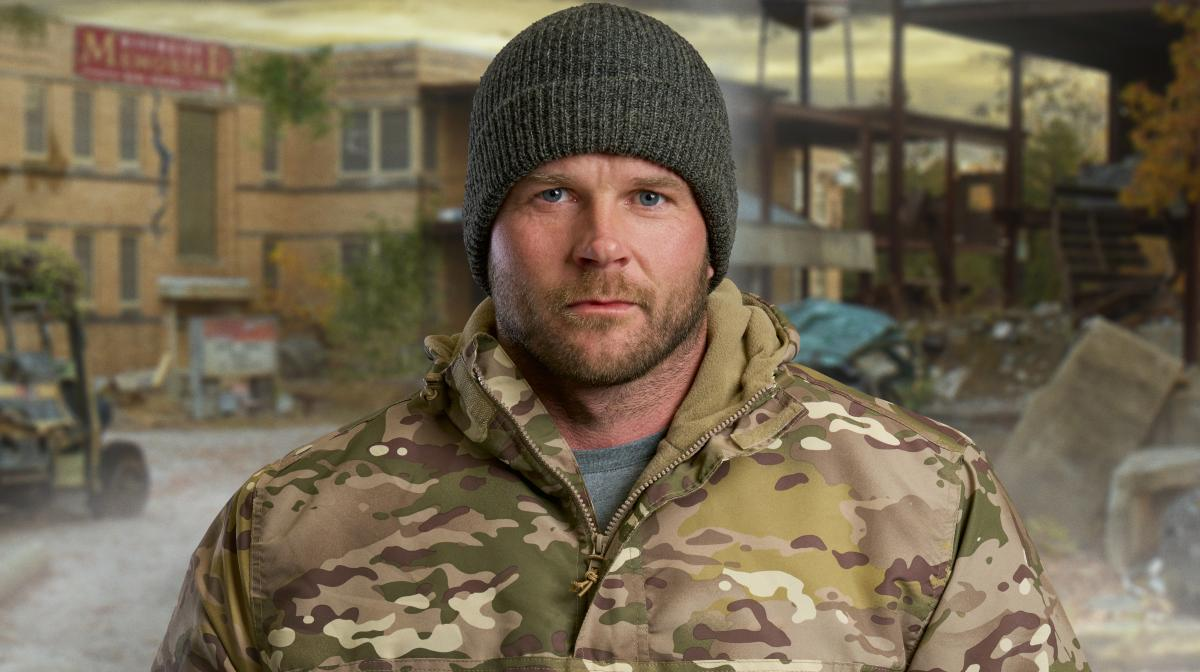
For beef farmer Scott, taking part carried a deeply personal meaning. He entered Apocalypse thinking of his late son Henry and the adventures he would have enjoyed.
“I just thought it sounded like a really cool thing to do. It's also something my late son would have loved, he was always into that sort of adventure. So I thought I'd go and smash it out for him. Really, I did it for him.”
Scott found the practical survival work easier than adjusting to the mix of personalities, but came to appreciate the contribution of people whose skills differed from his own. Asked whether the experience changed his view of needing someone like Steven in a survival situation, he explained the promise he had made.
“Completely. I think in a real survival scenario you naturally bond with people and try to find what each person can contribute. You don't just abandon someone. I told him straight up, we're getting through this no matter what. And you'd do the same in real life, the last thing you want is people suffering or dying because nobody was willing to help.”
Apocalypse airs on Sundays at 9pm on Channel 4, with episodes also available to stream on Channel 4. Keep reading SoapLandTV for more Apocalypse interviews, news and updates.