Amazon’s AI Delivery Drones Expand to 8,000 UK Homes After Major Safety Approval
Amazon’s AI-powered delivery drones expand to 8,000 UK homes. Discover how the MK30 recognises obstacles, flies autonomously and delivers parcels.

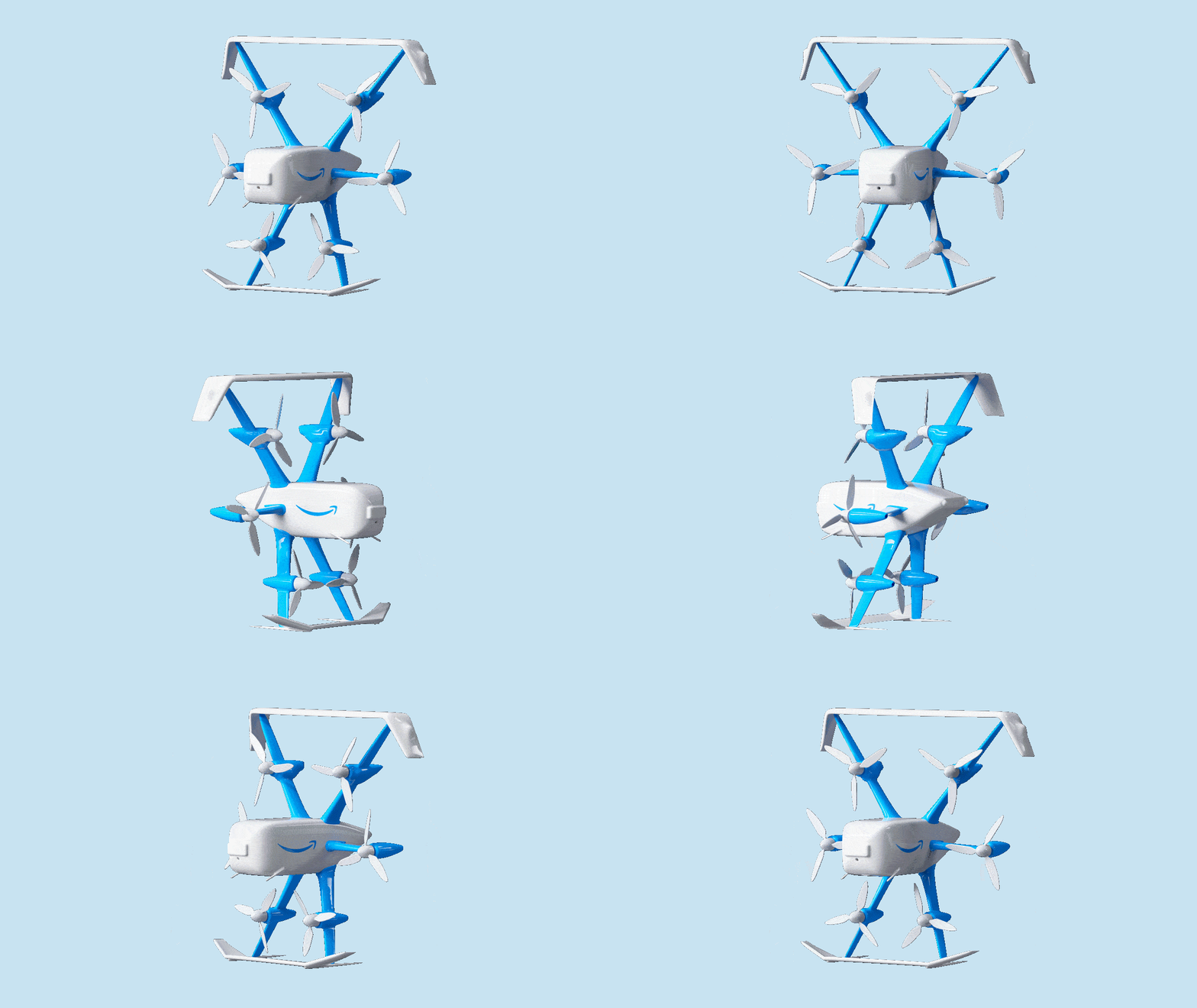
Amazon is bringing artificial intelligence into the skies above Britain, with delivery drones capable of recognising obstacles, adjusting their flight paths and transporting parcels without a human pilot manually steering them. Now, a major safety approval means thousands more households can use the technology, offering a glimpse of how shopping deliveries could work in the future.
On 10 November 2026, Amazon announced that its Prime Air service had received a world-first safety approval from the UK Civil Aviation Authority (CAA). The decision expands drone delivery eligibility in Darlington, County Durham, from around 600 households to approximately 8,000, with suitable orders arriving in under two hours.
But how does a drone recognise a washing line, avoid another aircraft or decide whether it is safe to complete a delivery? The answer involves artificial intelligence, computer vision, automated flight controls and several layers of aviation safety technology.
How does AI help Amazon’s drones fly?
Amazon uses an all-electric aircraft called the MK30, which is designed to complete deliveries autonomously. This means it can navigate a planned route and respond to its surroundings without someone continuously operating a remote control.
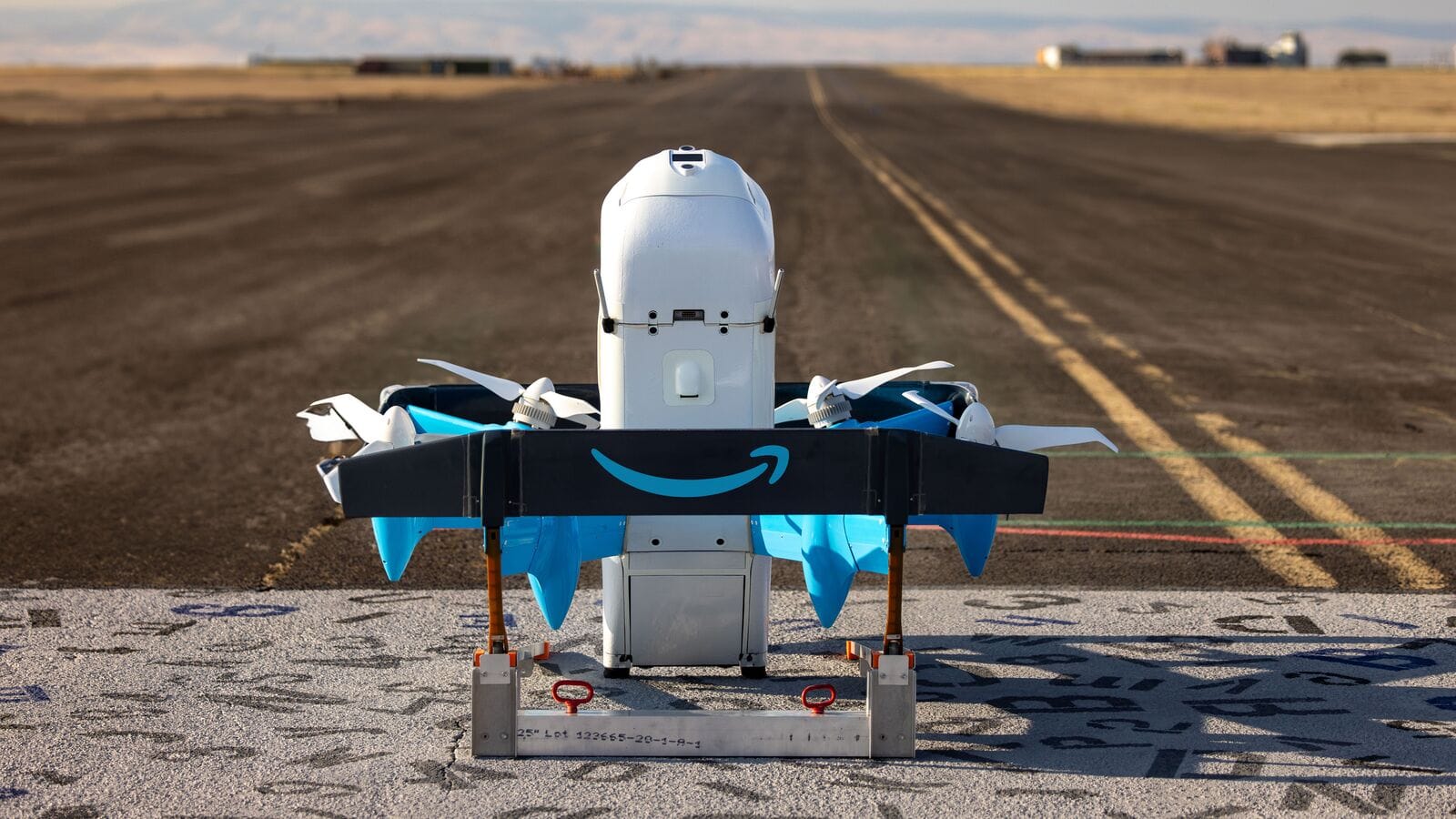
The aircraft uses machine-learning models as part of its detect-and-avoid system. Machine learning is a form of artificial intelligence that allows computers to recognise patterns learned from training data, helping them identify objects and interpret information collected during a flight.
Computer vision is closely related technology that enables software to analyse visual information, such as images from cameras. Combined with other sensing and navigation systems, these techniques can help autonomous machines understand what is happening around them.
Amazon says the MK30’s onboard systems continuously monitor the surrounding airspace, recognising other aircraft, people, animals and physical obstacles. When a potential hazard is identified, the aircraft’s systems assess whether corrective action is required.
For example, a satellite map might show the location of a house and its garden, but it would not necessarily reveal a washing line or trampoline. Amazon’s technology is designed to recognise these smaller obstacles as the drone approaches its delivery location.
Is the drone really making decisions by itself?
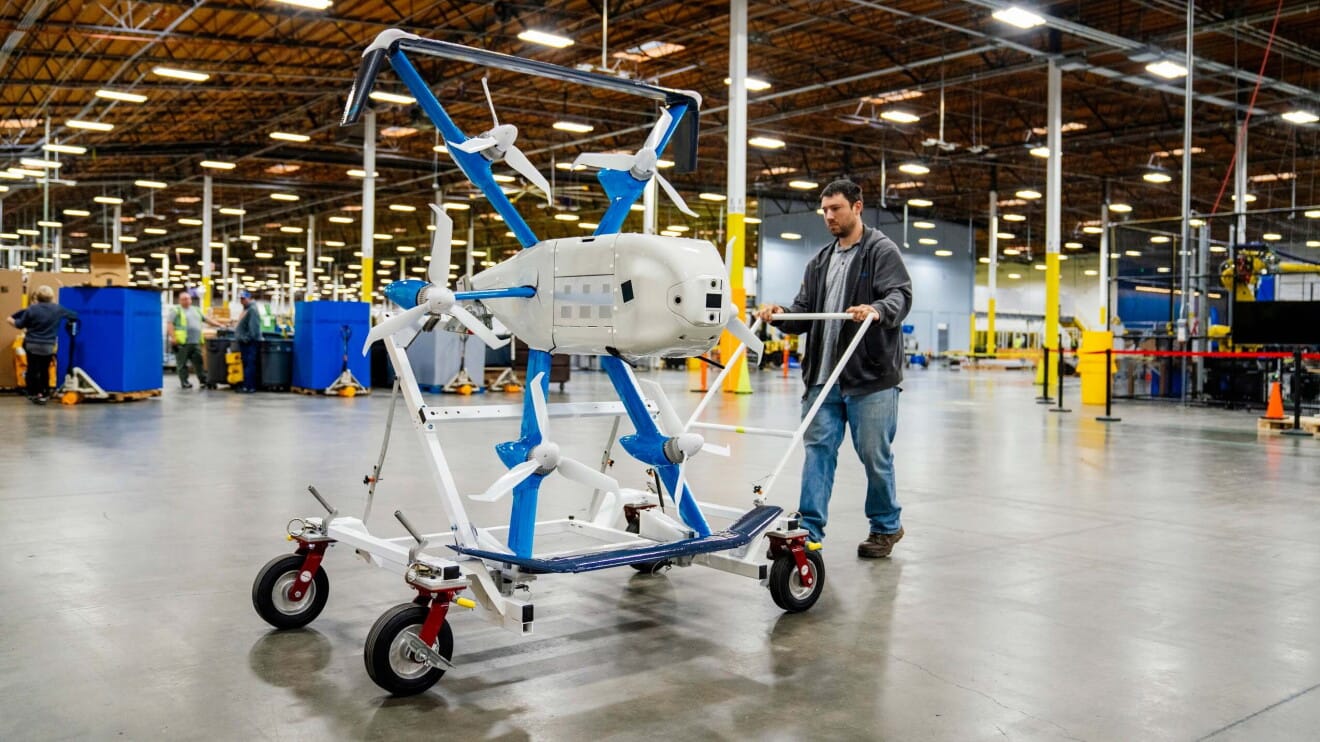
The MK30 can make certain operational decisions automatically, but that does not mean artificial intelligence independently controls every aspect of the aircraft.
AI helps interpret the surrounding environment, while automated flight-control systems manage navigation, stability and propulsion. These systems work together within predefined operating and safety parameters.
Think of the difference between recognising a hazard and physically avoiding it. An AI system may help identify an object ahead, while the aircraft’s control software determines and carries out an appropriate manoeuvre.
This distinction is important because autonomous flight involves much more than artificial intelligence. It combines robotics, sensors, software, aerodynamics and conventional engineering to perform tasks that would otherwise require continuous human control.
What happens if the AI makes a mistake?
Safety is one of the biggest challenges facing autonomous aviation, particularly when aircraft operate above populated areas.
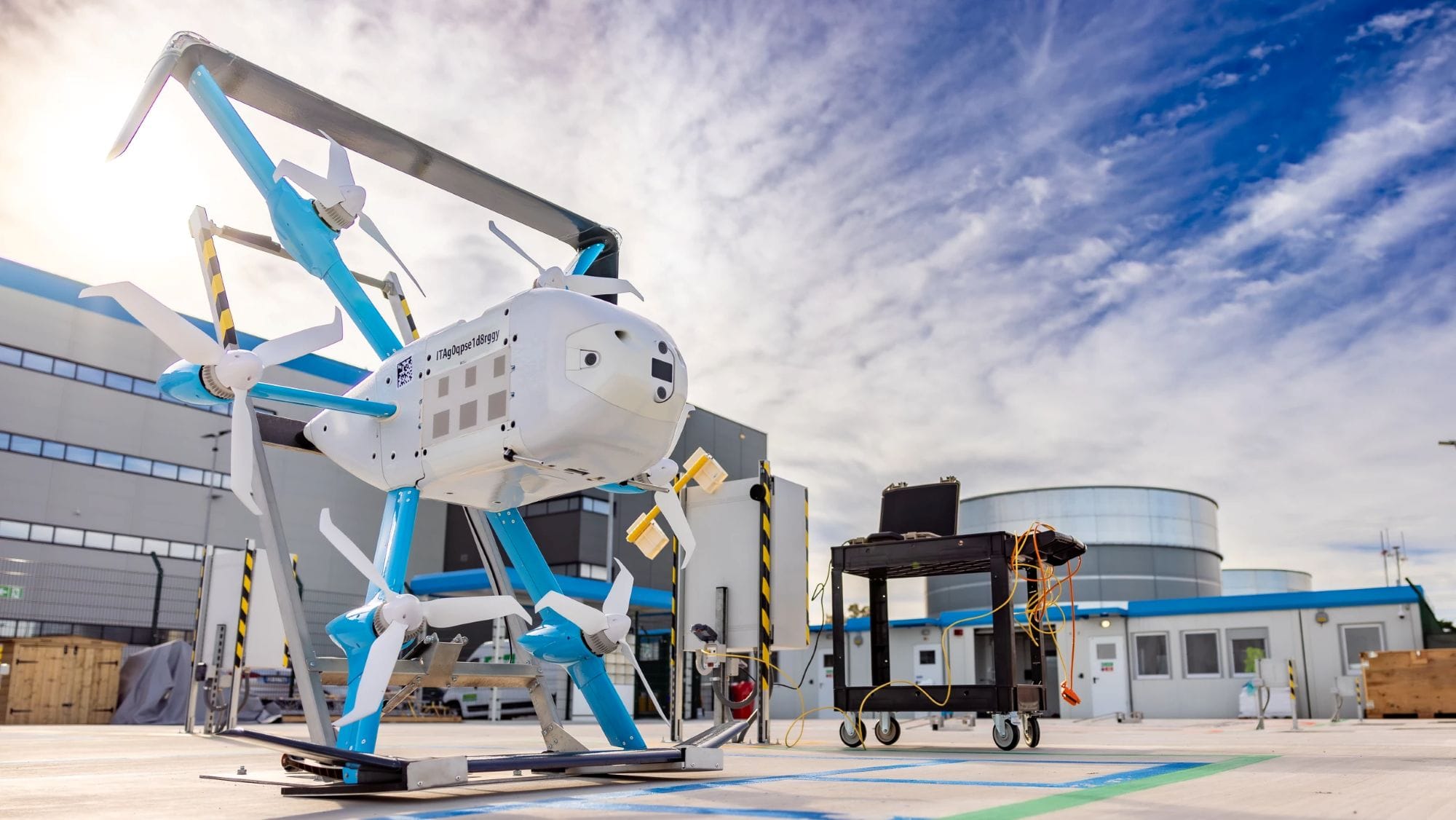
Amazon has designed the MK30 with multiple layers of protection rather than relying on a single computer or AI system to operate perfectly.
An independent monitoring computer oversees the main flight-control system and checks for irregularities. If it detects a problem, it can transfer control to a secondary system and initiate an automated return to base or a controlled landing.
This is an example of engineering redundancy, where backup components or systems are available if the primary equipment develops a fault.
The aircraft also has six motors and additional safety systems designed to support reliable operation. However, recognising an unexpected obstacle, responding to uncertain sensor information and recovering from an equipment fault are different technical challenges.
AI-based detection is not infallible, which is why autonomous aircraft require extensive testing, operational restrictions and independent regulatory assessment before being permitted to fly in more complex environments.
Why has the UK approved Amazon’s AI drones?
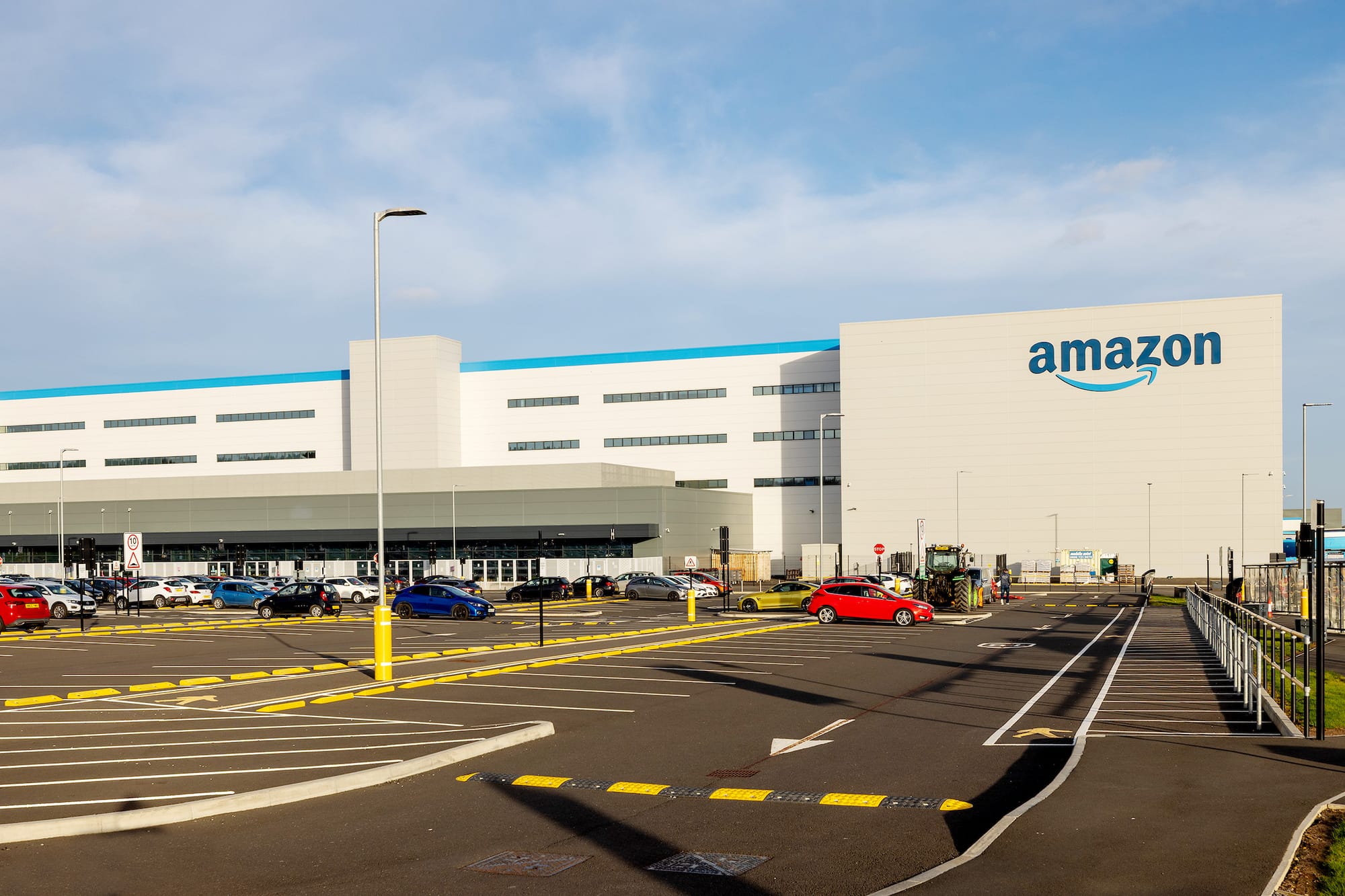
Amazon has become the first operator in the world to receive both SAIL 4 Operating Authorisation and SAIL 4 Flightworthiness Validation from the CAA.
SAIL stands for Specific Assurance and Integrity Level and forms part of the UK’s risk-based framework for assessing advanced drone operations.
In straightforward terms, the regulator examines the risks involved in a proposed operation and determines what evidence the operator must provide to demonstrate that it can be conducted safely.
SAIL 4 is a demanding safety-assurance category requiring substantial technical and organisational safeguards. It involves examining aircraft reliability, operational procedures, risk management and the ability to respond to unexpected situations.
The CAA assessed Amazon’s aircraft, systems, organisation and operating arrangements before granting the authorisation.
The approval allows Prime Air to expand into more densely populated parts of Darlington, including flights beyond the direct visual sight of the person supervising the operation.
It does not provide unrestricted permission for Amazon drones to operate anywhere in Britain. Further expansion would still need to meet applicable aviation and operational requirements.
How does an Amazon drone actually deliver a parcel?
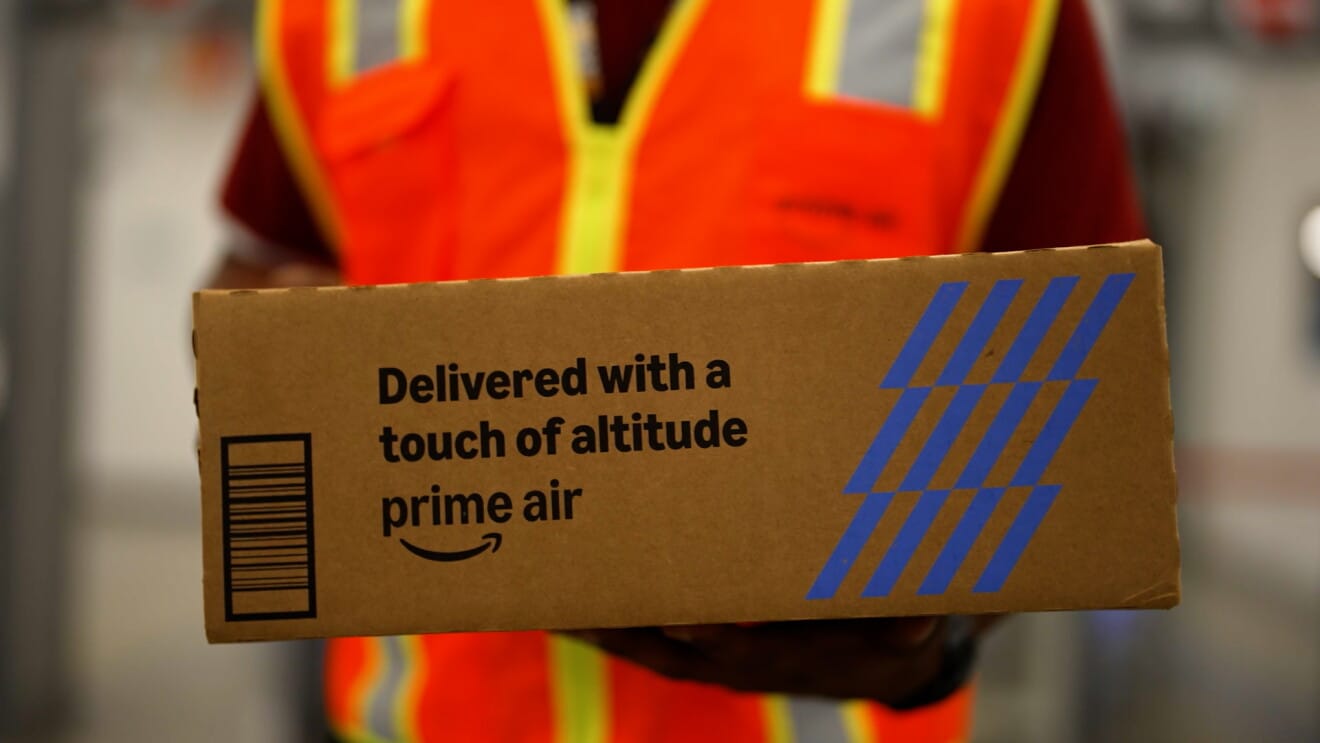
For customers, the process begins much like an ordinary Amazon order. Eligible shoppers select a suitable product, choose Prime Air delivery at checkout and confirm their designated outdoor delivery point.
The drone then transports the parcel towards the property using its automated navigation systems, with onboard technology monitoring the surrounding environment throughout the journey.
As it approaches the destination, the aircraft checks for potential hazards before completing the delivery. Its obstacle-detection technology is particularly important during this stage because gardens and driveways can contain objects that are not visible on ordinary digital maps.
Amazon says eligible purchases can arrive in under two hours, making the service particularly useful for everyday essentials that customers need quickly.
Who can use Amazon’s drone deliveries and how much do they cost?
Prime Air is currently available to eligible households within approximately 7.5 miles, or 12 kilometres, of Amazon’s Darlington fulfilment centre.
Customers need a suitable garden or driveway where the aircraft can safely complete its delivery. The service is designed for smaller purchases weighing up to 2.2kg, or 5lb, that fit within the drone’s carrying capacity, roughly equivalent to a large shoebox.
Eligible products include baby supplies, household essentials, beauty and wellbeing products, office supplies and smaller technology accessories.
Customers can check whether their address and selected products qualify during the normal Amazon checkout process.
For Amazon Prime members, eligible drone deliveries are included without an additional delivery fee.
Watch the drones:
Could AI drones eventually deliver parcels across Britain?
The Darlington expansion is an important milestone because it moves autonomous delivery technology further into everyday commercial use.
Amazon has not announced which British towns or cities will receive Prime Air next, but the new authorisation provides a foundation for expanding into more populated communities.
There are still practical challenges, including weather conditions, airspace management, suitable delivery locations and ensuring aircraft can operate safely around buildings, vehicles and people.
The underlying technology could also have applications beyond online shopping. Autonomous navigation and obstacle-detection systems are relevant to medical deliveries, infrastructure inspections and other specialist aviation operations, although each application would require appropriate safety arrangements.
For now, Darlington provides a real-world example of how artificial intelligence and aviation engineering can work together. The significant development is not simply that a drone can carry a parcel, but that its onboard systems can recognise hazards, respond to its surroundings and complete a journey with limited human intervention.
More information about the technology, safety approval and service eligibility is available on Amazon’s official Prime Air website.